Yalumba The Signature 2019 – Australia’s Classic Double Act
Cabernet sauvignon’s firm structure meets the generosity of shiraz in an ageworthy wine from Barossa.
Yalumba The Signature Cabernet Sauvignon & Shiraz 2019 brings together two grapes that have helped write Australian wine history. Barossa’s sun-ripened fruit delivers both power and depth, while cabernet sauvignon provides the backbone that makes patience worthwhile.
Drinking window: 2025–2040 · Peak: 2029–2036, cautious editorial estimate with proper cellaring
- Producer
- Yalumba
- Wine
- The Signature Cabernet Sauvignon & Shiraz
- Vintage
- 2019
- Type
- Red wine
- Origin
- Barossa, South Australia, Australien
- Grapes
- Cabernet sauvignon, Shiraz
- Serve at
- 16–18 °C
- Air
- Aerate for 1–2 hours after tasting first; decant gently if sediment is present.
Translated from Swedish with AI assistance. Prices converted at 10 SEK = 1 USD.
Two grapes, one Australian tradition
There is something refreshingly independent about Yalumba The Signature Cabernet Sauvignon & Shiraz 2019. It is not trying to be Bordeaux, nor the northern Rhône. Instead, the blend is an Australian classic: cabernet sauvignon provides direction, blackcurrant fruit and tannic structure, while shiraz fills it out with dark fruit, spice and roundness. When the partnership works, the result is both firm and generous, rather than a compromise between two styles.
Cabernet–shiraz has a long history in Australia and rose to prominence among the country’s fine wines during the 20th century. The freedom to blend these grapes matters: Australian rules governing wine origins do not operate like European appellations, with their detailed restrictions on permitted varieties. Grapes can therefore be chosen for what they bring to the wine. This does not mean that origin is unimportant, but rather that the winemaker has a different degree of freedom.
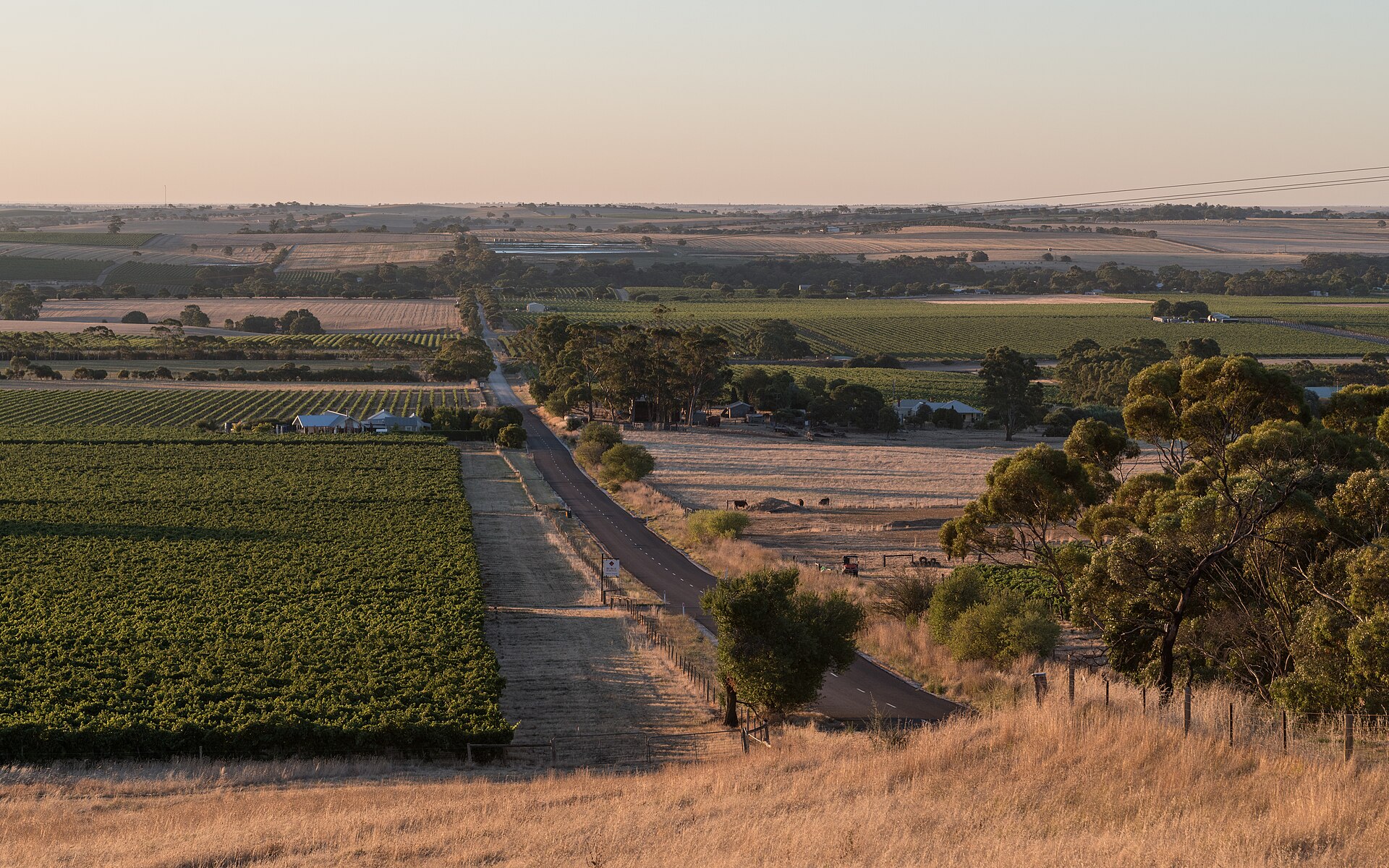
Here, that origin is Barossa in South Australia. The designation encompasses both the warmer Barossa Valley and the higher, cooler Eden Valley, so the name Barossa alone does not reveal every vineyard site. The region has a dry, sunny climate and considerable variation in soils, from sand and loam to deeper clay deposits. It would be misleading to attribute this blend to a single soil type. What matters is the selection of sites that together deliver ripe fruit and sufficient structure.
A family winery with its own cooperage
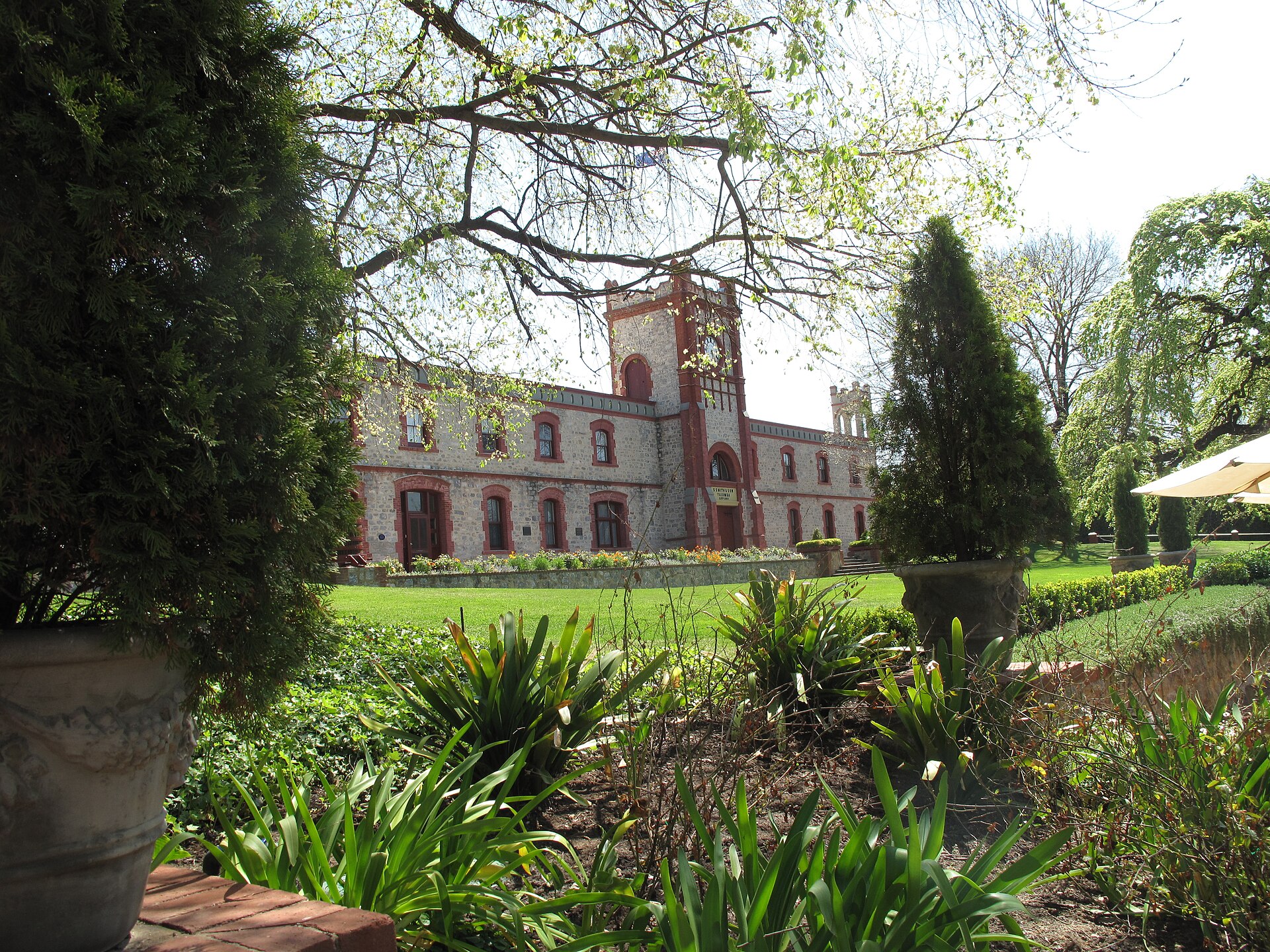
Yalumba was founded in 1849 by Samuel Smith, an English immigrant who planted vines near Angaston. The business has remained in family hands and is known as Australia’s oldest family-owned wine producer. That history is evident in more than its buildings: a long-term outlook is central to a wine such as The Signature, where continuity matters more than chasing a new taste trend every year.
The Signature was introduced with the 1962 vintage. Each release honours someone who has made a significant contribution to Yalumba, giving the name a tangible meaning. The wine is also something of a calling card for the house: an ambitious cabernet–shiraz with a clear Barossa identity, designed to develop in bottle. It is not a single-vineyard wine, but instead relies on different parcels of fruit complementing one another.
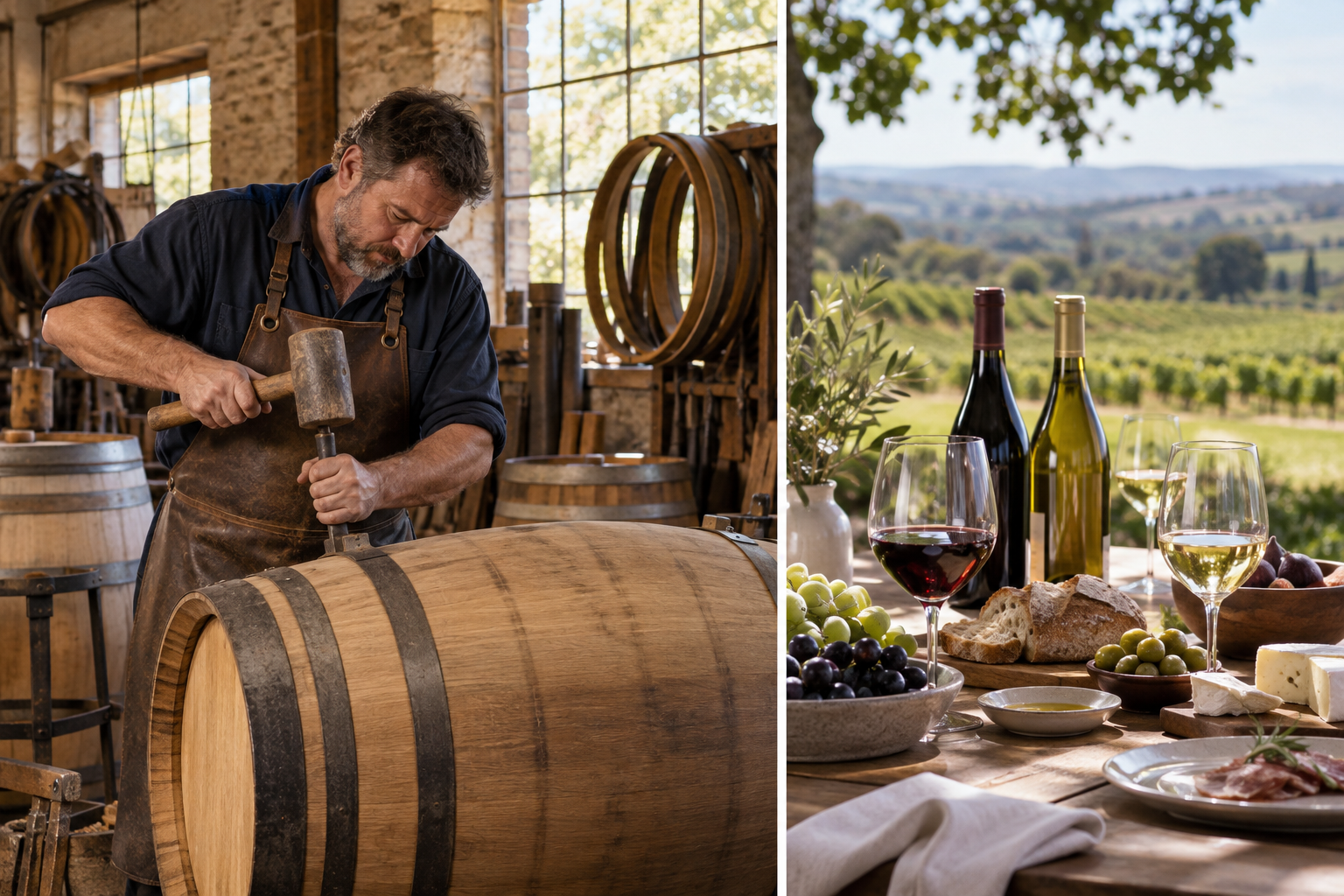
The producer’s own cooperage is a particular asset. Oak barrels are porous vessels that allow a slow exchange of oxygen, influencing how fruit and tannins are perceived, not just how the wine smells. Yalumba has extensive experience with both French and American oak. For The Signature, the winemaking approach includes fermentation in open-top fermenters followed by barrel ageing. Exact barrel proportions, ageing time and grape percentages for 2019 are not given here, as a verified vintage technical sheet is unavailable.
During fermentation, the skins need to be kept in contact with the must to provide colour and tannins, the compounds that create a drying sensation on the gums. For a wine like this, balance is crucial: ripe fruit should carry the structure, not disappear behind overly aggressive extraction or toasty oak. The aim is concentration with staying power, not simply maximum impact at the first sip.
The 2019 vintage: concentration with grip
Barossa’s growing season leading up to the 2019 harvest was marked by dry conditions, heat and low yields. The heat made water management and harvest timing especially important. The vintage is associated with concentrated red wines, but it was not straightforward: drought and heat stress can also slow ripening. The producer’s selection therefore tells us more than a sweeping claim that a hot year is automatically a great one.
A reasonable description of The Signature 2019’s style is dense, dark fruit framed by cabernet’s firmer contours. Blackcurrants, blackberries and dark plums are useful reference points, alongside cedar, spice and a touch of cocoa from the interplay of fruit and oak. This is a style-based guide, not a tasting note from a bottle we have sampled ourselves.
On the palate, expect fullness and pronounced grip rather than silky lightness. Acidity is needed to keep the ripe fruit lively, while the tannins provide resistance and a long, structured finish. With bottle age, the immediacy of the fruit may gradually give way to tobacco, leather and dried herbs. How far that development has progressed depends heavily on storage, however; a warm storage space can shorten the wine’s life considerably.
Give the wine time, air and a large glass
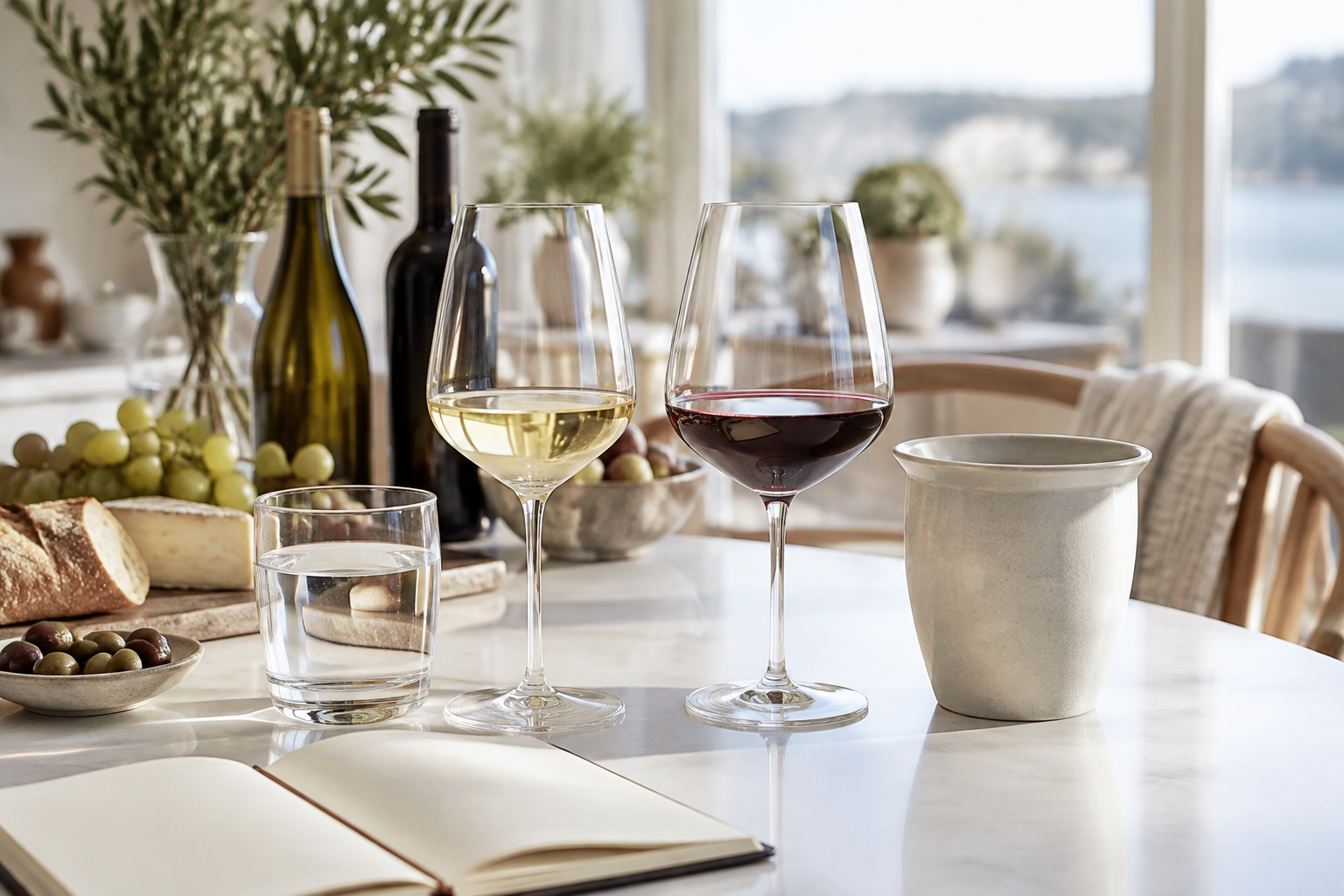
Serve at 16–18 °C in a spacious Bordeaux glass. Start towards the cooler end of the range: the wine warms quickly in the glass, and too high a temperature makes the alcohol and sweetly ripe fruit more prominent. A sound, well-stored bottle can benefit from one to two hours in a decanter. Taste first and adjust the aeration accordingly; decant gently if there is sediment.
The wine can be opened now, but further cellaring is justified. As a cautious editorial estimate, 2025–2040 is a reasonable drinking window, with a possible peak around 2029–2036 under good storage conditions. This is a forecast, not a guarantee or a drinking window quoted from a critic.
At the table, pair it with roast lamb with rosemary and roasted root vegetables, or mushroom-stuffed aubergine with lentils. Protein, a browned crust and richness meet the wine’s grip without calling for a sweet sauce. An unsweetened, alcohol-free blackcurrant drink can offer a fresh, berry-led accompaniment to the same dishes.
Tasting notes
- Dark berry fruit
- Blackcurrants and plums
- Cedar and spice
- Full-bodied
- Firm tannic structure
- Ageworthy
Score 94/100. A preliminary editorial assessment based on the wine’s established reputation for quality and the vintage conditions, not on our own tasting. Verified vintage-specific critic scores are unavailable here, so the figure should not be read as a substantiated average of critics’ ratings.
16–18 °C · Aerate for 1–2 hours after tasting first; decant gently if sediment is present. · Spacious Bordeaux glass. Approximate market price range: around $45–$65. This is not a verified current Systembolaget price; Swedish availability and vintage need to be checked.
- Roast lamb with rosemary and roasted root vegetablesThe meat’s protein and browned crust meet the tannins, while rosemary complements the wine’s spicy side.
- Mushroom-stuffed aubergine with lentilsRoasted flavours and a rich texture offer a vegetarian match for the dark fruit and structure.
Sources
- Yalumba, Yalumba – producentinformation om historia, viner och tunnbinderi
- Barossa Australia, Barossa – information om regionen och dess årgångar
- Wine Australia, Australian Wine Discovered – australiska regioner och druvsorter
- Wine Australia, Register of Protected Geographical Indications and Other Terms
Ask questions about "Yalumba The Signature 2019 – Australia’s Classic Double Act". Answers are based on the magazine's own articles.