
William Fèvre Montmains 2022 – Chablis with both precision and roundness
Premier cru from the left bank of the Serein, where ripe chardonnay meets the taut expression of limestone soils.
William Fèvre Chablis Premier Cru Montmains 2022 brings together the ripe fruit of a warm vintage and the structure that makes this vineyard so compelling. It is a wine for anyone seeking more depth than a young, linear Chablis, while still preferring freshness to overt oak.
Drinking window: 2027–2034 · Peak: 2028–2032
- Producer
- William Fèvre
- Wine
- Chablis Premier Cru Montmains
- Vintage
- 2022
- Type
- Torrt vitt vin
- Origin
- Bourgogne, Chablis Premier Cru, Montmains, Frankrike
- Grapes
- Chardonnay
- Serve at
- 11–13 °C
- Air
- Taste first; if the aromas are closed, aerate gently for 20–30 minutes in a small decanter.
Translated from Swedish with AI assistance. Prices converted at 10 SEK = 1 USD.
Montmains: a name with soil under its fingernails
William Fèvre Chablis Premier Cru Montmains 2022 is a wine in which origin matters more than the grape’s international fame. Chardonnay is grown across much of the world, but here, in northern Burgundy, it is expected above all to show freshness, structure and restraint. The 2022 vintage adds an interesting counterweight: ripe fruit and generosity from a warm growing season. That combination makes this bottle worth a look even for those who sometimes find young Chablis a little too angular.
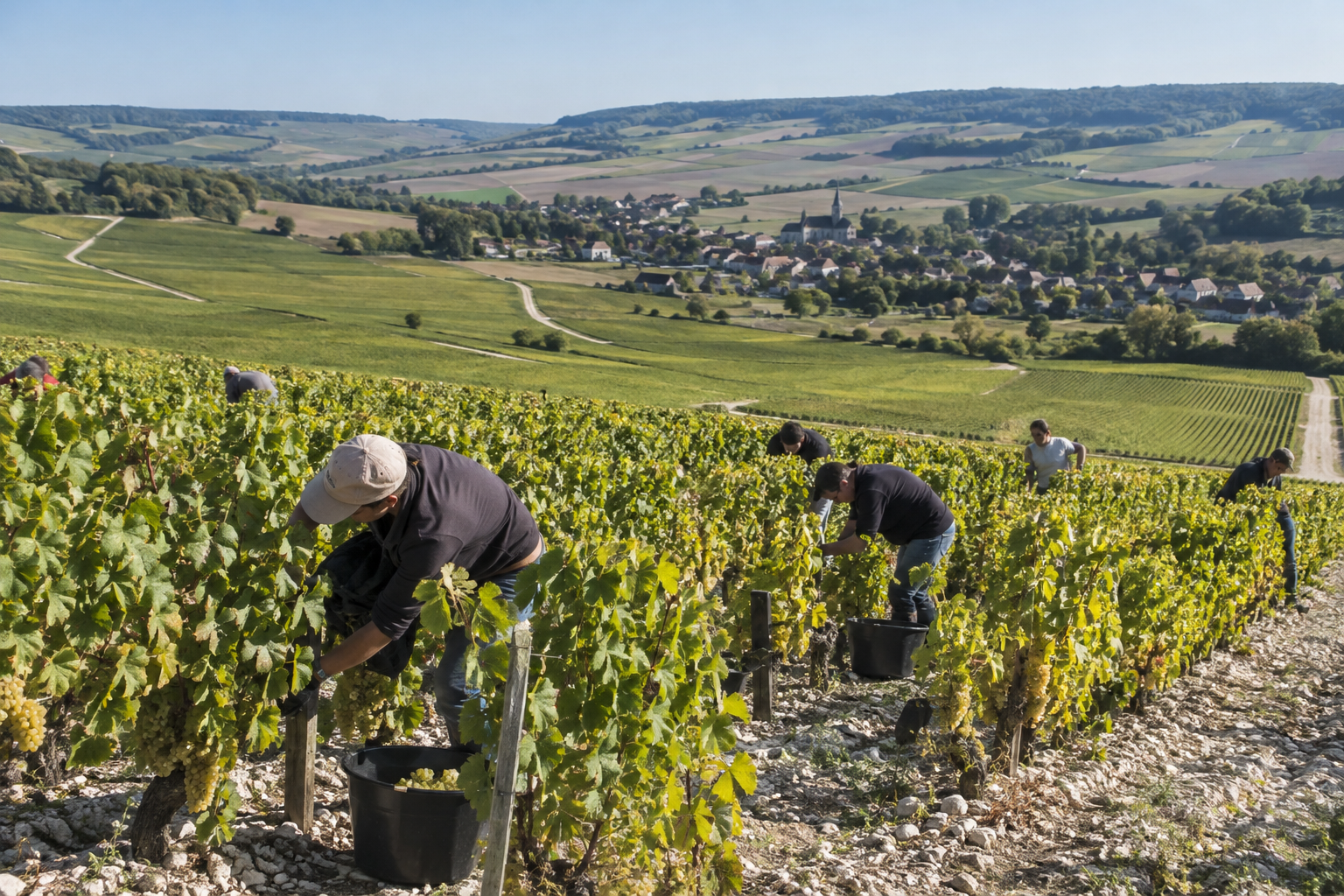
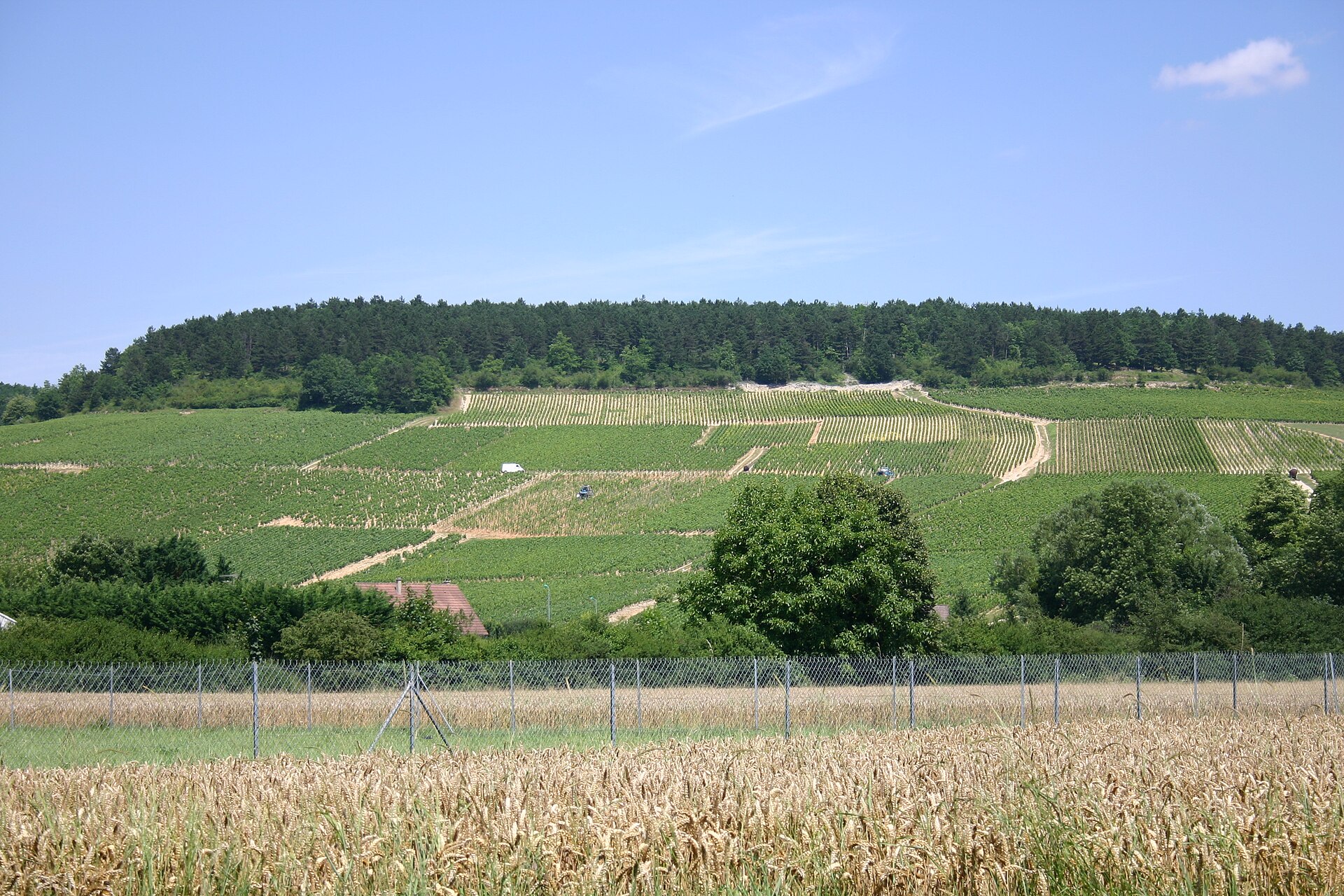
Montmains lies on the left bank of the River Serein, southwest of Chablis itself. Premier cru sits one step above the village appellation of Chablis in the region’s geographical hierarchy. The classification applies to delimited vineyard sites with distinctive growing conditions, not to a particular cellar technique or a guaranteed score. Montmains is also an umbrella name that may be used for wines from neighbouring Butteaux and Forêts. The label alone therefore does not tell the whole story of which parcels are included.
Here you find the limestone-rich marl generally described as Kimmeridgian: sedimentary deposits from a time when the area lay beneath the sea. Limestone, clay and fossilised shell fragments are all part of the geological picture. Clay helps the soil retain water, while the slope’s position and the soil’s structure influence drainage and the root environment. The fact that the wine is often described as chalky does not, however, mean that fossils can literally be tasted through the grape. Minerality is a useful tasting term, but not a simple chemical explanation.
Montmains is associated with south- to southeast-facing slopes and a relatively open setting. Chablis has a northerly climate with a continental influence: spring frost is a recurring threat, while summers can be very hot. It is the interplay of light, temperature, water and harvest timing that shapes the grapes, not limestone alone.
William Fèvre: precision before oak influence
William Fèvre founded his business in 1959 and built up substantial holdings in Chablis, including premier cru and grand cru vineyards. The estate later became part of the Henriot group. Under winemaker Didier Séguier, who joined in 1998, it became particularly associated with meticulous vineyard work and winemaking in which barrels support the wine rather than dominate it. For the 2022 bottle, this is the relevant period in the producer’s history.
Fèvre is a major player, with both estate vineyards and a business trading in grapes or wine. That makes it important to read the full designation when comparing bottles. Montmains is not interchangeable with the producer’s basic Chablis, and the various premier cru sites are not simply different labels for the same flavour. The aim is for the differences between vineyards to remain discernible even when the winemaking follows a consistent approach.
The producer has long worked with organic methods and also describes using biodynamic practices. Such methods should not, however, automatically be taken to mean that every older vintage carries a particular certification. For 2022, it is safer to discuss the approach to growing than to attribute a certification to the bottle without checking the label. What matters in the glass is the ambition to obtain healthy grapes with balanced ripeness, then avoid masking them.
That philosophy suits Montmains well. The site is usually described as structured, with a certain breadth and substance rather than simply light, incisive citrus fruit. At Fèvre, the aim is to preserve both sides: substance on the mid-palate and tension on the finish. The wine therefore need not be immediately exuberant to be expressive.
Chardonnay, lees and discreet oak
The grape is chardonnay, as in all Chablis premier cru. At William Fèvre, the grapes are harvested by hand, and the producer’s stated approach includes gentle pressing and a relatively short settling of the must before fermentation. The aim is to avoid unnecessary harshness from the skins while retaining material that can contribute to the wine’s structure. This is more precise work than the simplistic opposition between “natural” and “technical” suggests.
Both stainless-steel tanks and older French oak barrels are used for the premier cru wines. The barrels are therefore not primarily intended to impart vanilla, toast or sweet spice. They offer a different environment for fermentation and ageing, with a little oxygen exchange and contact with the lees. Stainless steel, meanwhile, helps preserve a purer, more direct expression of fruit. The exact proportion of oak for Montmains 2022 should be checked against the vintage’s technical information; the producer’s general method is not an exact recipe for every harvest.
Malolactic fermentation is normally part of the house’s winemaking. This converts sharper malic acid into softer lactic acid. It can round out the palate without the wine losing its freshness. Chablis does not, then, need to avoid this conversion in order to taste taut. The grapes’ original acid balance and the wine’s other components also play a major role.
Ageing on fine lees adds another dimension. After fermentation, fine yeast sediment remains in the wine and can contribute texture and a subtle bready note as it matures. Fèvre’s premier cru wines generally receive around a year’s ageing or slightly longer, with a combination of barrel and tank. The expectation is not a buttery, oak-driven wine, but a dry chardonnay in which fullness and precision can coexist.
Vintage 2022: warmth without a single flavour template
Burgundy’s 2022 vintage was marked by heat and dry spells, but also yielded a considerably more generous harvest than the severely frost-hit 2021. Water availability was important during the summer in Chablis, too. The distribution of rainfall, the soils’ ability to hold water and the development of the vines’ roots all contributed to differences between sites. A regional vintage assessment can therefore never replace an appraisal of the individual bottle.
The vintage has generally been well received for its combination of ripe fruit and surprisingly good balance. “Surprisingly” does need explaining, though: high summer temperatures do not automatically mean that every finished wine tastes heavy or lacks acidity. Harvest timing, yields, site and grape development all influence the final result. Without analytical data for this particular bottling, freshness should be described as a sensory impression, not a measured figure.
For Montmains, 2022 gives reasonable grounds to expect more open fruit than in a truly cool season. At the same time, the site’s customary structural firmness suggests tension and length, not simply soft fruit. This is what makes the wine interesting: the vintage may open the door early, while its origin holds something in reserve. Exact details of the harvest date and yield for this cuvée are best left aside without reliable vintage documentation.
In the glass: fruit first, then grip
The following tasting portrait is a cautious synthesis of the wine’s origin, producer style and vintage, not a report from a bottle we have tasted ourselves. Expect citrus, apple and pear, with the possibility of yellower fruit and a subtle floral note as the wine gets some air. In the background there may be notes recalling chalk, oyster shell or fresh bread. These words describe associations, not ingredients or evidence of a direct transfer from soil to wine.
On the palate, the emphasis should fall between medium-bodied fruit and clear, cohesive acidity. Montmains usually has a firm mid-palate: the wine feels like more than a quick squeeze of lemon, gaining volume before the finish tightens. Tannins are not a defining feature as they are in red wine, but a light grip from the grapes’ phenolic compounds can lend structure. The dry, sometimes almost saline finish is part of the language of Chablis, without salinity here necessarily meaning a high salt content.
With bottle age, the primary citrus fruit may give way to wax, nuts and more complex bready notes. Good examples should be able to develop for several more years, but ageing potential is no guarantee. Temperature, closure and previous storage all matter greatly. A reasonable strategy is to follow the wine into the early 2030s rather than treating a particular final year as a promise.
Serve cool, not ice-cold
Start at around 11–12 °C and let the wine gradually warm in the glass. Straight from a very cold fridge, both fruit and texture can feel compressed. Choose a medium-sized white wine glass with a slightly rounded bowl and a tapered rim. A large Burgundy glass can work, but an enormous bowl is not needed to reveal the nuances.
Ideally, open the bottle about half an hour before serving and taste a small splash. If the aromas are closed, 20–30 minutes in a small decanter may help; if the wine already feels open, the glass is enough. Lengthy decanting is not an end in itself for a white wine whose charm also lies in its freshness.
For food, cod pan-fried in butter with cauliflower and a gently lemony sauce is a fine choice. The fish’s mild flavour leaves room for the wine, while the butter complements its texture. Another option is chicken with mushrooms and a light cream sauce, where the earthy notes connect with the wine’s more restrained side. Keep acidity and salt in balance so that the food does not make the wine seem thin.
Those avoiding alcohol can opt for a dry, alcohol-free sparkling alternative with apple and citrus notes. For Montmains 2022 itself, the advice is simple: pay attention to vintage and storage when buying, serve it without excessive chilling, and give it time in the glass.
Tasting notes
- Citrus and apple
- Ripe pear fruit
- Chalky associations
- Fresh, cohesive acidity
- Firm texture
- Discreet oak influence
Score 92/100. The Wine’s preliminary editorial assessment, based on the producer’s reputation, the vineyard’s quality level and the vintage’s standing. No verified individual critic scores for Montmains 2022 specifically are cited. The score is not the result of our own bottle tasting.
11–13 °C · Taste first; if the aromas are closed, aerate gently for 20–30 minutes in a small decanter. · Medium-sized white wine glass with a rounded bowl and tapered rim. Rough market estimate for 750 ml, approximately $65; not a verified current Systembolaget price. Price, availability and vintage should be checked before purchase.
- Cod pan-fried in butter with cauliflower and a mild lemon sauceThe wine’s freshness balances the butter, while its texture suits the fish’s firm but delicate flesh.
- Chicken with mushrooms and a light cream sauceThe sauce’s roundness complements the wine’s fullness, while the mushrooms suit its subtle, earthy nuances.
Sources
- William Fèvre, William Fèvre – producentens historia, vingårdar och vinifieringsprinciper
- Bureau Interprofessionnel des Vins de Bourgogne, Chablis Wines – appellationer, terroir och premier cru-lägen
- Bureau Interprofessionnel des Vins de Bourgogne, Bourgogne Wines – regional information om årgång 2022 (2022)
- Systembolaget, Systembolaget – kontroll av aktuellt sortiment, pris och årgång
Ask questions about "William Fèvre Montmains 2022 – Chablis with both precision and roundness". Answers are based on the magazine's own articles.