Pol Roger Brut Vintage 2015 – sun-ripened champagne with cellar-aged depth
Pinot noir brings structure, chardonnay adds lift, and long bottle ageing brings a warm vintage together.
Pol Roger Brut Vintage 2015 combines the generous fruit of a warm Champagne vintage with the house’s fondness for structure and extended ageing on the lees. It is a wine for anyone keen to understand how origin, grape blend and time work together to shape vintage champagne.
Drinking window: 2026–2035 · Peak: 2026–2032
- Producer
- Pol Roger
- Wine
- Brut Vintage
- Vintage
- 2015
- Type
- Vit årgångschampagne, brut
- Origin
- Champagne; Montagne de Reims och Côte des Blancs, Frankrike
- Grapes
- Pinot noir 60 %, Chardonnay 40 %
- Serve at
- 10–12 °C
- Air
- No routine decanting; allow 10–15 minutes to open up in the glass.
Translated from Swedish with AI assistance. Prices converted at 10 SEK = 1 USD.
A vintage champagne should taste of more than its house style. It should also bear the imprint of a particular growing season. In Pol Roger Brut Vintage 2015, the house’s taut, ageworthy approach meets a vintage shaped by heat and drought. That combination makes the wine intriguing: it offers the potential for both sun-ripened fruit and the structure that allows champagne to develop long after release.
This is the house’s standard white vintage cuvée, not its prestige wine, Cuvée Sir Winston Churchill. The blend is 60 per cent pinot noir and 40 per cent chardonnay. The description below draws on the producer’s information and the wine’s documented style, rather than a new tasting of a bottle ourselves. The degree of maturity, in particular, can vary between bottles depending on disgorgement and storage.
Chalk, slopes and the origins of the blend
Pol Roger is based in Épernay, in France’s Champagne region. Set on the Marne, the town is a centre for trade, blending and cellar ageing. But the address on the bottle should not be confused with the origin of the grapes. Brut Vintage is built from the wines of several villages rather than a single vineyard, and takes its identity from the way those components are combined.
According to the producer, the grapes for the vintage wine come from grand cru and premier cru villages in the Montagne de Reims and Côte des Blancs. Historically, these designations classified villages, rather than ranking each individual vineyard. The Montagne de Reims is particularly important for pinot noir, while the Côte des Blancs is associated above all with chardonnay.
Limestone-rich soils, often with chalk beneath them, characterise these areas. Chalk can both aid drainage and keep water available to roots during drier periods. That does not mean every grape in the blend grew in identical soil. Exposure, topsoil and root development vary, and no complete list of the wine’s individual vineyard sites is provided here.
Champagne’s northerly climate combines oceanic and continental influences. Rain and cool weather can slow ripening, while frost and brief spells of heat pose other challenges. When we describe a champagne as chalky, we mean a sensory impression of dryness, tautness or fine texture—not that dissolved chalk simply travels from soil to glass.
A family house that works with patience
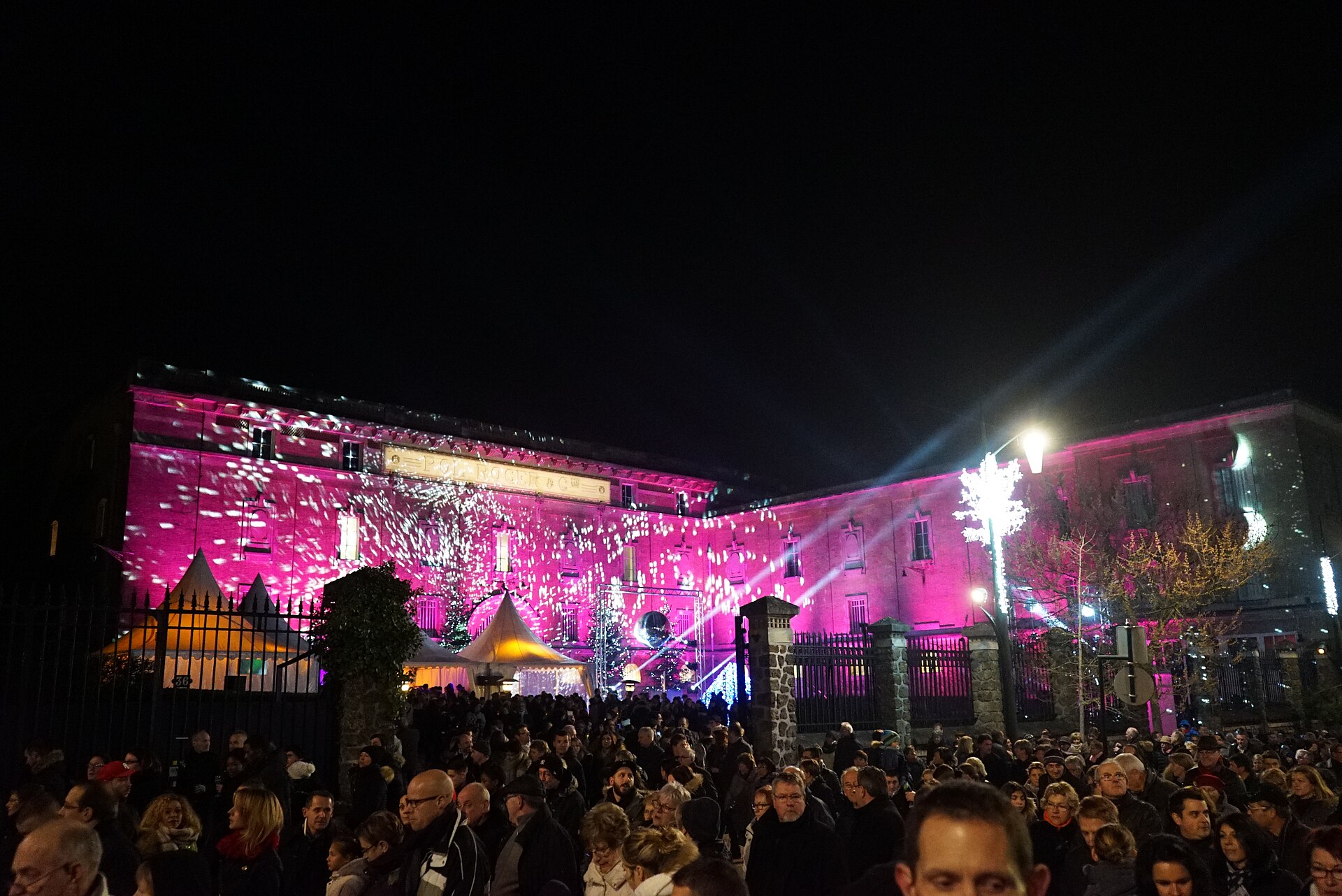
Pol Roger was founded in 1849 by the man whose name it bears, and has remained a family-owned champagne house. That continuity matters to the wine: the house’s identity rests on consistent stylistic choices and long-term planning, not merely on what any one harvest happens to offer. Keeping large quantities of wine in the cellar for many years is central to its work.
The house’s history is often associated with Winston Churchill, a devoted customer. The connection is real, but it should not obscure the distinction between the cuvées. Brut Vintage 2015 should be judged as a wine in its own right, with its stated grape blend and its place in the range, rather than as a cheaper version of the Churchill cuvée.
Stylistically, Pol Roger is known for champagnes with body and structure, but also for a restraint that makes ageing important. Pinot noir often lends the blend firmness and depth of fruit, while chardonnay contributes citrus freshness and focus. These are useful pointers, not absolute rules about grapes: origin, ripeness and winemaking have at least as much influence.
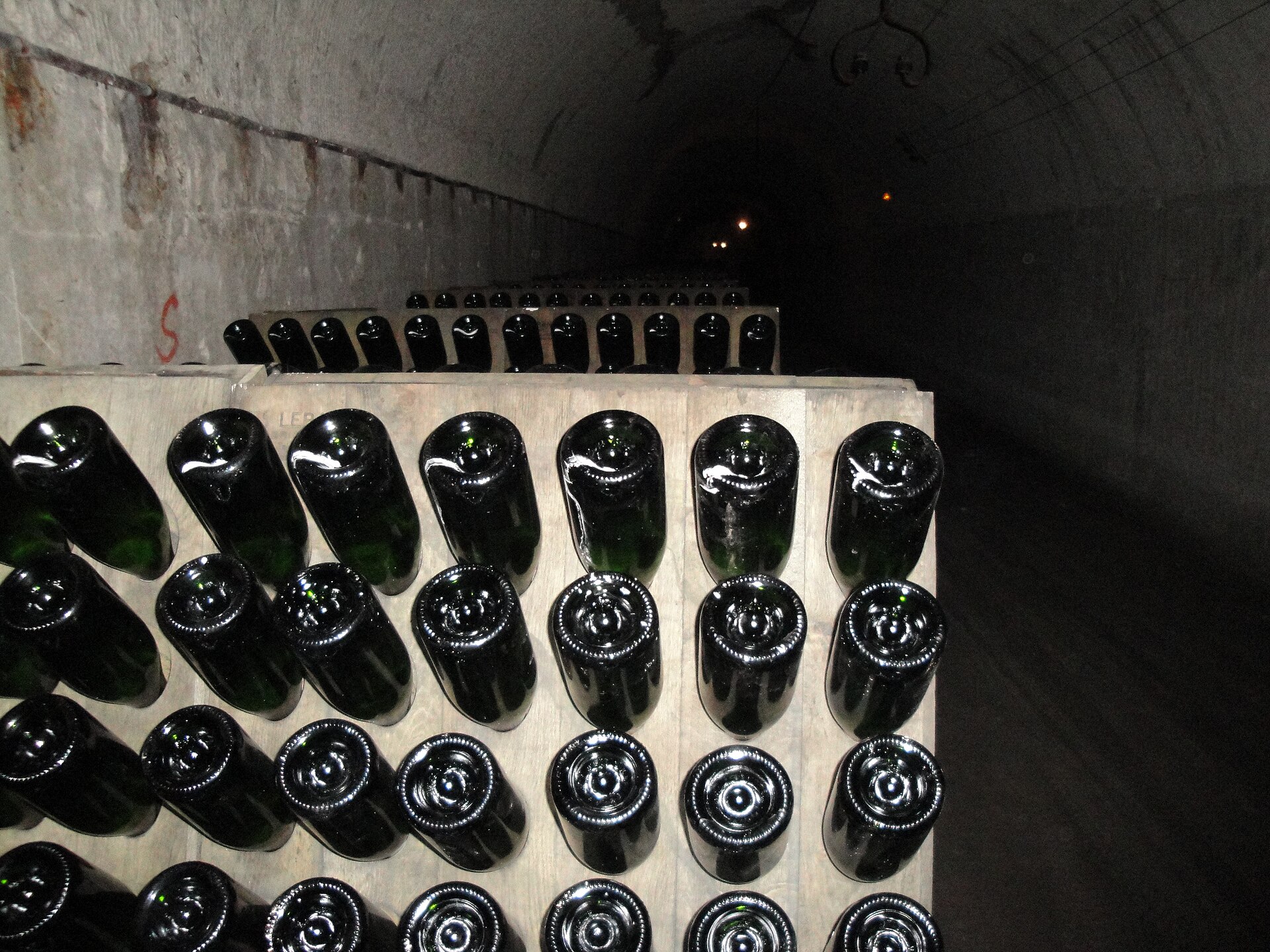
The deep, cool cellars in Épernay play an important part in the house’s work. Here, the bottles develop slowly before going on sale. For the consumer, this means much of the wine’s early maturation has already taken place at the producer’s premises. Buying vintage champagne need not mean waiting a decade before opening it.
From still base wine to mature mousse
Production begins with gentle pressing and clarification of the juice. Pol Roger describes a double clarification before fermentation, an approach intended to ensure clean juice and controlled aromatic development. The base wines ferment in temperature-controlled stainless-steel tanks, with wines from different origins kept separate for later assessment and blending.
The wine undergoes malolactic fermentation. This converts sharper malic acid into softer lactic acid, affecting both the perception of acidity and the aromas. It does not automatically make the champagne buttery or low in acidity. A cool-climate origin still provides plenty of freshness, and the carbon dioxide heightens the sense of vibrancy.
Oak character is not a building block of this cuvée. When the aromas suggest brioche, toast or nuts, it is therefore misleading to attribute them instinctively to barrels. Bottle ageing and contact with the lees are more important explanations, alongside the wine’s gradual maturation.
After blending, yeast and sugar are added for a second fermentation in the bottle. This creates the bubbles. The wine then rests on its lees, whose slow breakdown can contribute bready aromas and a fuller mouthfeel. Pol Roger states that the 2015 spent around eight years ageing in the cellar before release, considerably longer than the minimum required for vintage champagne.
At disgorgement, the lees are removed and the wine receives its final dosage. Brut indicates a dry style, but does not mean entirely sugar-free. No exact dosage or single disgorgement date covering all bottles is given here; those details should be checked for the particular shipment.
The 2015 vintage: heat, drought and varied expressions
The 2015 growing season in Champagne was marked by a hot, dry summer. Rain in late summer brought some relief, and harvesting began in early September in many areas. Conditions generally favoured well-ripened, healthy grapes, but results varied between areas, grape varieties and picking dates.
It is tempting to equate a warm year with a soft wine. It is not that simple. Water shortages can slow vine activity, and the relationship between sugar, acidity and aromatic ripeness changes over the season. The producer’s choice of picking date and which base wines to include therefore becomes crucial to the final result.
The vintage has produced many concentrated champagnes that were expressive early on, but assessments are not entirely consistent. In some wines, critics have noted herbal or vegetal traits and a more pronounced phenolic edge—a slight astringency from the solid parts of the grapes. This is a discussion of variation within the vintage, not an established flaw in this particular bottle.
For Pol Roger, blending offers a way to balance the season’s generosity. Pinot noir’s weight needs a counterpoint, and chardonnay’s freshness can give the wine direction. Ageing smooths the transitions between fruit, acidity and mousse, but does not erase the vintage’s personality. That, after all, is the point of a vintage wine.
In the glass: ripe fruit with a tauter core
The stylistic picture painted by the producer’s description centres on ripe fruit, citrus and developed, pastry-like complexity. Think yellow fruit and juicy pear rather than green apple alone, with citrus peel as a fresher counterpoint. Brioche and nutty nuances are reasonable expectations after such long ageing, though their intensity varies with the bottle’s development.
On the palate, the interplay between fullness and freshness is central. The proportion of pinot noir provides the potential for a broad mid-palate, while the acidity keeps the flavours focused. The mousse should feel integrated rather than aggressive. Small bubbles alone, however, are not proof of quality: the cleanliness of the glass, temperature and pouring technique also affect how they look and feel.
Tannins do not take centre stage as they do in a red wine. A subtle phenolic astringency can nevertheless lend structure and a light grip to the finish. Alongside citrus bitterness and acidity, it can make a generous wine feel drier and more precise than the ripeness of its fruit first suggests.
Length should be judged by what remains once the bubbles have subsided: do fruit, freshness and nuance linger, or only acidity? For this cuvée, it is their interplay that underpins expectations. With continued good storage, the fruit may gradually be joined by more honey, nuts and toast, though that development follows no exact timetable.
Serve cool—but give the wine room
Start at around 10–12 °C and let the wine warm slowly in the glass. Too low a temperature conceals the aromas and makes the acidity more prominent. A tulip-shaped champagne glass or a medium-sized white wine glass gives the aromas more room than a very narrow flute. Pour a small amount first and follow its evolution.
Do not decant as a matter of routine. A clean glass and ten to fifteen minutes are often enough for the aromas to open up, without unnecessary loss of bubbles. Open the bottle well chilled and with care, keeping a hand over the cork, and use a proper champagne stopper if any wine remains.
The wine can be enjoyed now, but well-stored bottles should also be capable of developing for several more years—roughly five to ten as a cautious guideline. This is no guarantee. Store in the dark, free from vibration and at a steady, cool temperature; a bottle that is already distinctly mature has less to gain from further waiting.
At the table, try turbot pan-fried in butter with a restrained beurre blanc: the acidity cuts through the butter, while the wine’s body matches the fish. Roast chicken with a creamy mushroom sauce is another fine choice, its browned and earthy notes echoing the wine’s breadiness. A dry, alcohol-free sparkling wine with fresh acidity can be offered at the same table. The pleasure here lies in attention and flavour, not in drinking large quantities.
Tasting notes
- Ripe yellow fruit
- Citrus freshness
- Brioche
- Nutty nuances
- Full-bodied structure
- Integrated mousse
Score 93/100. The Wine’s preliminary editorial assessment, not a recent tasting of a bottle ourselves. Based on the reputation of the producer and cuvée, documented production methods and the vintage profile; no specific critics’ scores for 2015 are cited.
10–12 °C · No routine decanting; allow 10–15 minutes to open up in the glass. · Tulip-shaped champagne glass or medium-sized white wine glass. Approximate market price level for 750 ml, not a verified current Systembolaget price. Price, availability and the vintage supplied need to be checked.
- Turbot pan-fried in butter with beurre blancThe acidity balances the butter sauce, while the wine’s fullness matches the fish’s firm texture.
- Roast chicken with creamy mushroom sauceBrowned flavours and mushrooms echo the wine’s bready, mature nuances, while its freshness cuts through the cream.
Sources
- Champagne Pol Roger, Pol Roger – Brut Vintage och husets vinframställning
- Champagne Pol Roger, Pol Roger – husets historia
- Comité Champagne, Champagnes ursprung, druvor och tillverkningsmetod
- Decanter, Champagne vintage guide – årgångsöversikter
Ask questions about "Pol Roger Brut Vintage 2015 – sun-ripened champagne with cellar-aged depth". Answers are based on the magazine's own articles.