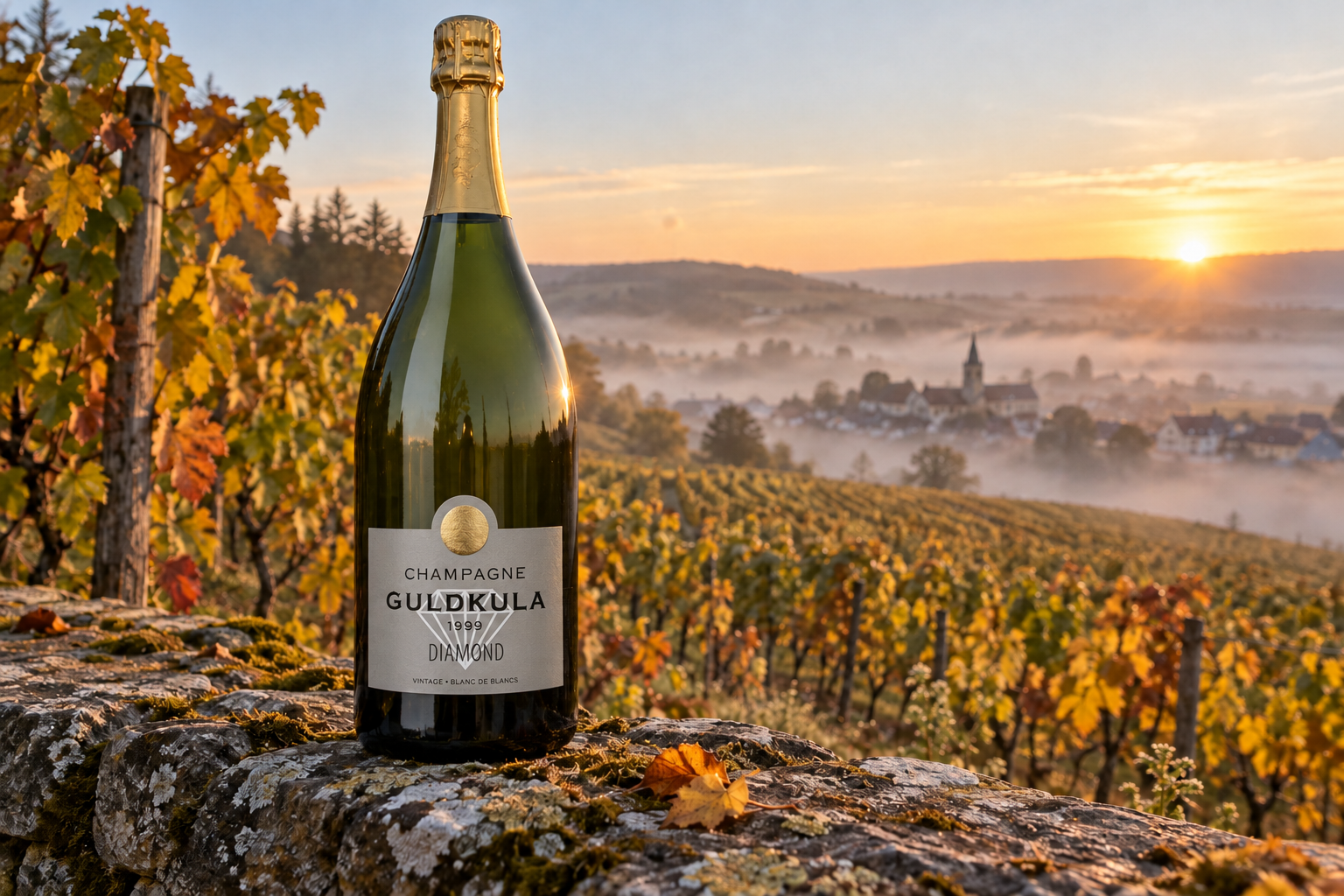
Guldkula Diamond 1999 – mature Champagne with Swedish drive
Chardonnay in magnum, produced by De Venoge in Épernay
Guldkula Diamond 1999 brings together a Swedish Champagne initiative and production by Champagne De Venoge in Épernay. This vintage Blanc de Blancs is sold in magnum, with the producer describing golden maturity, toasty notes and fresh lemon acidity.
Swedish Champagne Official recommends drinking the wine now until around 2035. Proper storage is assumed.
Drinking window: 2026–2035 · Peak: Now until around 2035, according to Swedish Champagne Official.
- Producer
- Guldkula; produced by Champagne De Venoge
- Wine
- Diamond Vintage Blanc de Blancs Magnum
- Vintage
- 1999
- Type
- White vintage Champagne, blanc de blancs
- Origin
- Champagne; producer in Épernay, exact grape sites not verified, France
- Grapes
- Chardonnay
- Serve at
- 10–12 °C
- Air
- No routine decanting; let the wine open gently in the glass.
- Systembolaget
- Article no. 7568706 ↗
Translated from Swedish with AI assistance. Prices converted at 10 SEK = 1 USD.
There is something appealing about a Swedish wine initiative seeking out Champagne's established expertise. Guldkula Diamond 1999 is just such a meeting: a Swedish brand, a French Champagne house and a vintage that has acquired considerable age. The bottle format is also part of the story. It holds 1,500 millilitres, so Systembolaget's price of SEK 2,495 applies to a magnum, not a standard bottle.
This wine also deserves a clear distinction between documented facts and expectations. No tasting of our own underlies this report. For 1999, the aroma and flavour profile is based on both the producer's description and Swedish Champagne Official's tasting. Assessments of the previous Diamond 1998 are kept clearly separate from the current vintage.
A Swedish idea, French craftsmanship
Håkan Guldkula is the person behind Guldkula. A 2021 report by Fab Foodie Swede describes the collaboration with Champagne expert Richard Juhlin, who was responsible for quality. The Swedish contribution therefore lies in the initiative and quality work around the brand, not in the origin of the grapes. It is an appealing starting point: building a Swedish Champagne identity through collaboration with people who already master the region's craft.
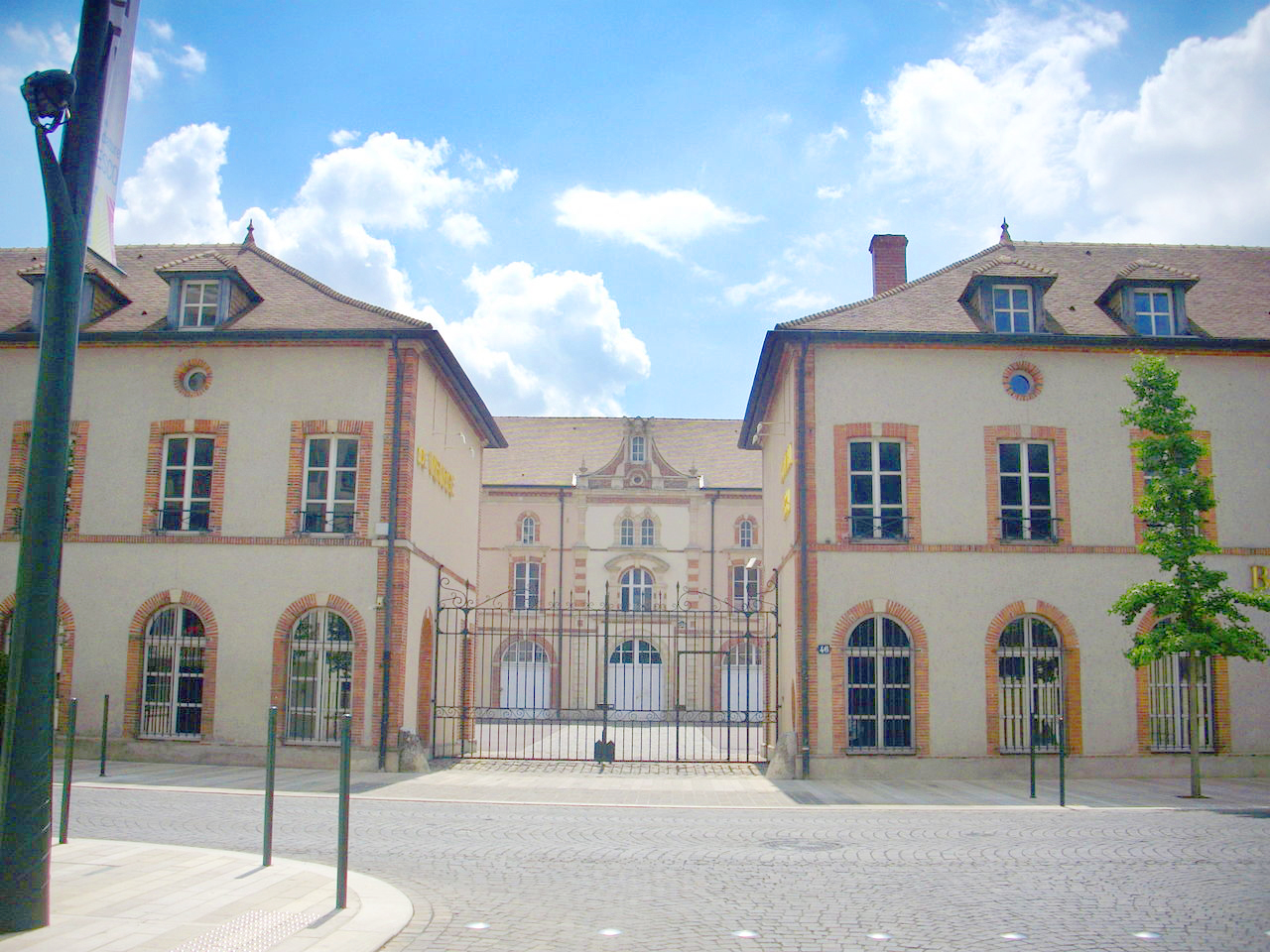
For Diamond 1999, Guldkula identifies Champagne De Venoge in Épernay as the producer. The house was founded in 1837 and has a long history in Champagne. That history provides context, but should not be confused with evidence of how a particular bottle tastes today. What matters remains the wine, its production and how the bottle has been stored.
Épernay lies in the heart of Champagne in northeastern France. The region has a cool climate with both oceanic and continental influences. Limestone and chalk characterise many famous sites, but the soils vary. The available product information contains no verified list of villages, vineyard sites or soils for the grapes in Diamond 1999. We therefore cannot attribute a particular chalk slope or grand cru village to this wine.
Chardonnay and time in the bottle
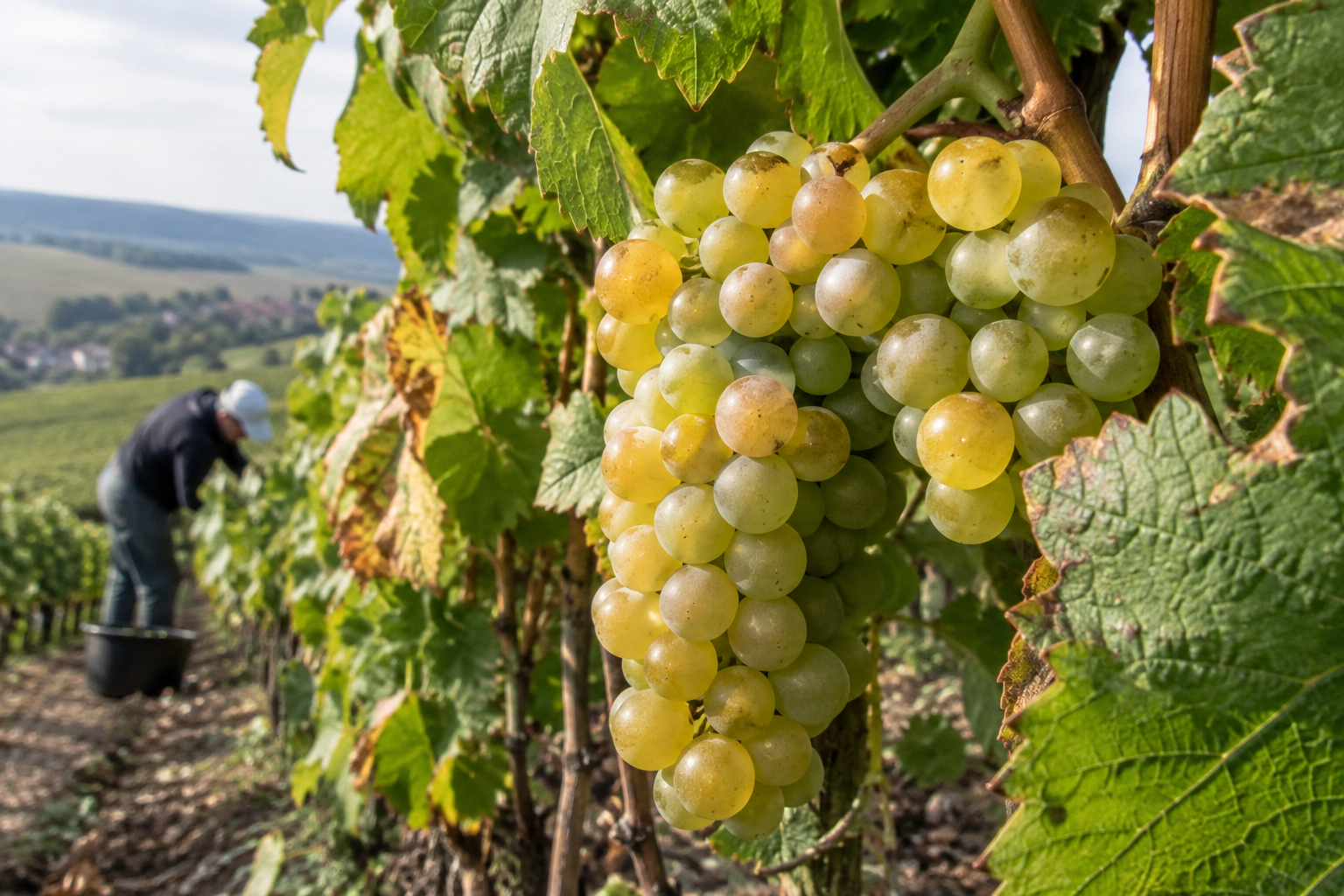
The producer's full designation is Diamond 1999 Vintage Blanc de Blancs Magnum. Blanc de blancs means white wine made from white grapes; in this case, Chardonnay is specified. The grape is important to Champagne's elegant, acidic expression and can develop a richer palette than its youthful citrus fruit initially suggests.
Champagne gains its bubbles through a second fermentation in the bottle. The wine then rests with the lees, the remains of the yeast. As the yeast cells break down, aromas of bread, toast and other nuances can develop. This process is called autolysis and is an important background to the producer's description of Diamond as autolytically complex.
Exactly how long this release spent on the lees has not been verified. Nor do we have reliable information about the vessels used for the first fermentation, any oak treatment, malolactic conversion or dosage. Toasty notes should therefore not automatically be read as evidence of oak.
The 1999 vintage is often described as generous in Champagne, with a warm growing season and rain around harvest. That is no guarantee of a particular expression: harvest dates, selection and the producers' work yielded different results. The vintage is often associated with relatively approachable fruit rather than the tightest acid structure. For a bottle from 1999, storage and closure now weigh heavily alongside the vintage's general reputation.
Golden maturity, with important reservations
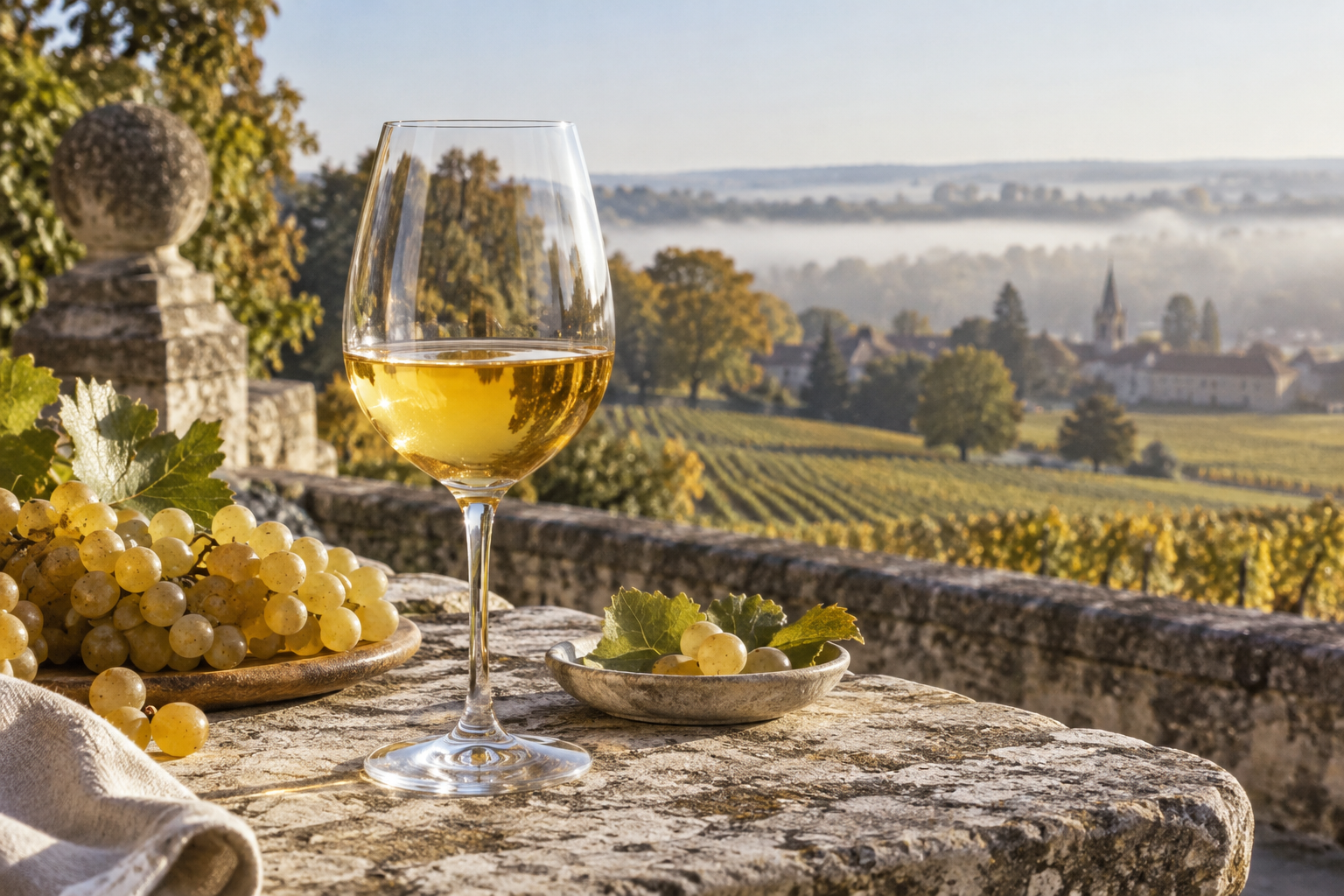
Guldkula describes the colour as mature and golden, with toasty notes, minerality, lemon peel, concentration and fresh acidity. This suggests a meeting between developed aromas and a citrus-driven vibrancy. Minerality is a tasting term here, not a claim that one literally tastes the vineyard's bedrock.
The enticing idea is the contrast: toasty, mature nuances against a fresher impression of lemon peel. Concentration describes the density of flavour, while acidity can provide direction and keep the whole lively. Tannins are not a central part of the stated profile. There is insufficient evidence, however, to determine the mousse, precise mouthfeel or finish length of a current bottle.
Magnum generally provides good conditions for slow development, but the format is no insurance against poor storage. The disgorgement date – when the lees were removed – has not been verified. Swedish Champagne Official recommends drinking the wine now until around 2035. For a bottle of this age, proper storage over the years is decisive for how well it lives up to that drinking window.
What do the tastings say?
Swedish Champagne Official tasted Diamond 1999 and awarded it 93+/100. When value for money is included, the score is 93/100. The tasting describes a mature, aromatic, charming and luxuriously velvety wine with notes of dried tropical fruit, honey, ripe yellow apples, vanilla pastry and Romerska bågar, the Swedish orange-flavoured chocolate. The recommendation is to drink it now until around 2035.
ChampagneGuiden's score of 8.5 out of 10, however, applies to Diamond Grand Cru Vintage 1998, not 1999. The guide tasted it from magnum in October 2021 and described quiet, small bubbles, a complex nose of red apples and blue plums, and a complex flavour with clear plum character. The tasters did not think the wine tasted as mature as its 23 years suggested. The score also took the then price of SEK 9,299 into account: the guide called the Champagne genuinely high quality but noted that such a high price created especially great expectations.
Marie Arpnäs at Vinsider also tasted the 1998 and called it the highlight of the evening, while expressing hesitation about paying the high price herself. These two assessments provide useful context about the Diamond range, but it is Swedish Champagne Official's tasting of the 1999 that underlies The Wine's displayed score of 93/100.
Serve gently and let the glass do the work
Start at around 10–12 °C and use a tulip-shaped Champagne glass or a medium-sized white wine glass. A little space helps the mature aromas emerge. Let the development take place in the glass and avoid routine decanting; an older Champagne can lose both carbonation and nuance through excessive aeration.
Butter-fried monkfish is a sensible food match: firm fish and a gentle buttery roundness meet the concentration described by the producer. Another suggestion is seared scallops with cauliflower purée. Keep the accompaniments mild so that the Champagne's nuances have room. For those avoiding alcohol, a dry non-alcoholic sparkling alternative works with the same dishes. The magnum format suits a shared table and small pours, not larger servings.
Tasting notes
- Mature and aromatic
- Luxuriously velvety
- Dried tropical fruit and honey
- Ripe yellow apples
- Vanilla pastry and orange chocolate
- Lemon peel and minerality according to the producer
Score 93/100. Swedish Champagne Official: 93+/100, and 93/100 when value for money is included. The Wine displays 93/100. ChampagneGuiden’s 8.5/10 applies to Diamond 1998.
10–12 °C · No routine decanting; let the wine open gently in the glass. · Tulip-shaped Champagne glass or medium-sized white wine glass. Systembolaget, order item stocked by the supplier when checked on 10 November 2026. Price applies to a 1,500 ml magnum.
- Butter-fried monkfish with mild accompaniments ↗The fish’s firm texture and the butter’s roundness should suit the producer’s description of concentration, toasty notes and fresh acidity. Recipe at Mat & Dryck.
- Seared scallops with cauliflower puréeMild sweetness and gentle roasting leave room for the finer aromas of a mature Champagne.
Sources
- Swedish Champagne Official, Provning av Guldkula Diamond 1999 – 93+/100, 93/100 inklusive prisvärde (Provningsuppgift till The Wine 2026-11-11)
- Systembolaget, Guldkula, årgång 1999 – produktinformation (Kontrollerad 2026-11-10)
- Guldkula Champagne, Champagne – Diamond 1999 Vintage Blanc de Blancs Magnum (Kontrollerad 2026-11-10)
- Fab Foodie Swede, Guldkula x Richard Juhlin (2021)
- Champagne De Venoge, Champagne De Venoge – husets historia
- Comité Champagne, Champagnes ursprung, druvor och framställning
- ChampagneGuiden, Provning av Guldkulas sortiment – Diamond Grand Cru Vintage 1998 (2021)
- Marie Arpnäs, Vinsider, Håkan Guldkula Champagne och Richard Juhlin – Diamond 1998 (2021)
- Vinare, Guldkula Diamond 1999 – inga betyg registrerade vid kontrollen (Kontrollerad 2026-11-11)
Ask questions about "Guldkula Diamond 1999 – mature Champagne with Swedish drive". Answers are based on the magazine's own articles.