Four White Wines, Four Sources of Freshness
A home tasting from Champagne, Chablis, Marlborough and the Mosel
Bubbles, limestone, sun and slate – four white wines that show freshness can come from very different places. This is how you taste Pol Roger, Fèvre, Cloudy Bay and Dr. Loosen side by side.
Translated from Swedish with AI assistance. Prices converted at 10 SEK = 1 USD.
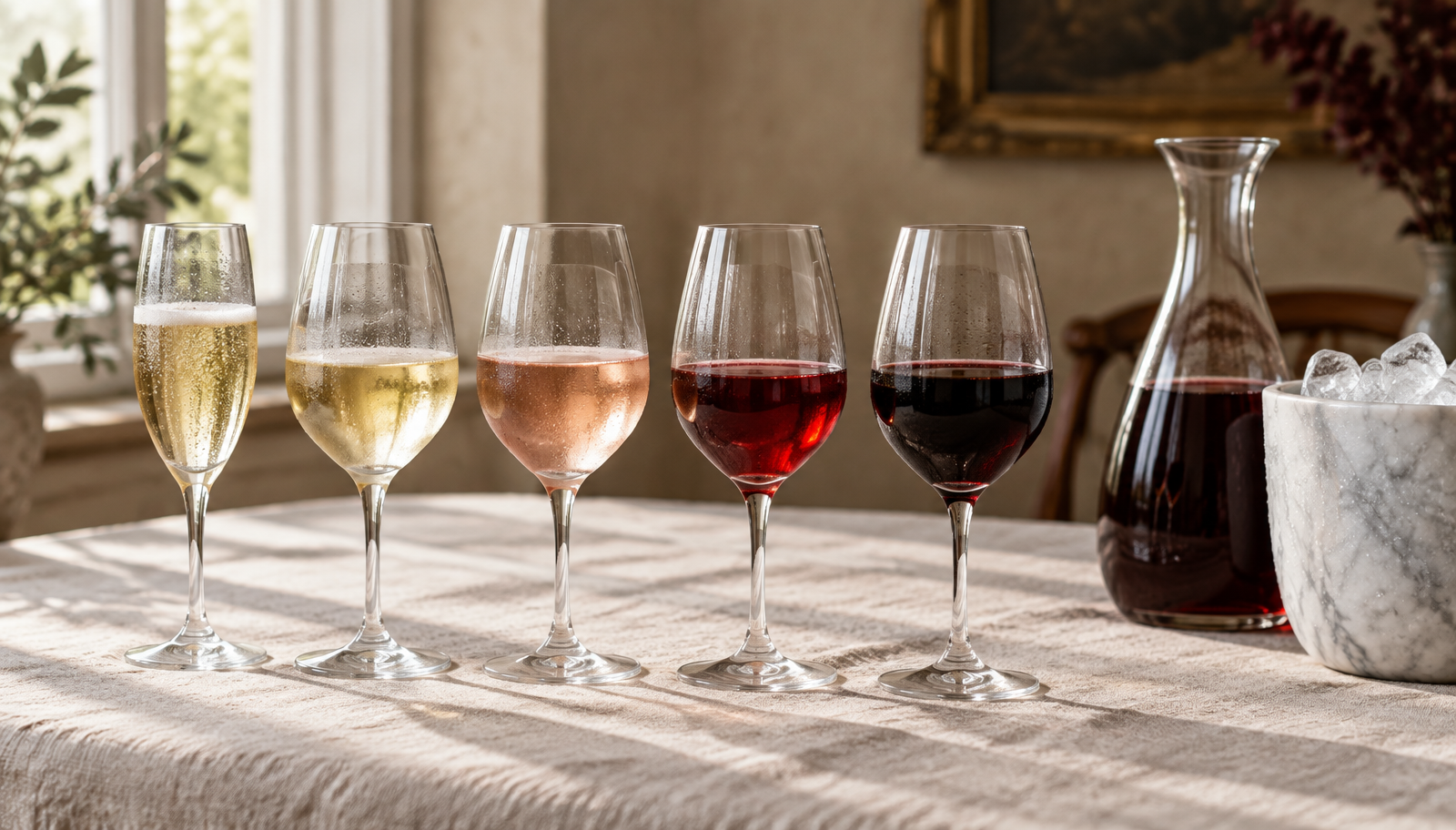
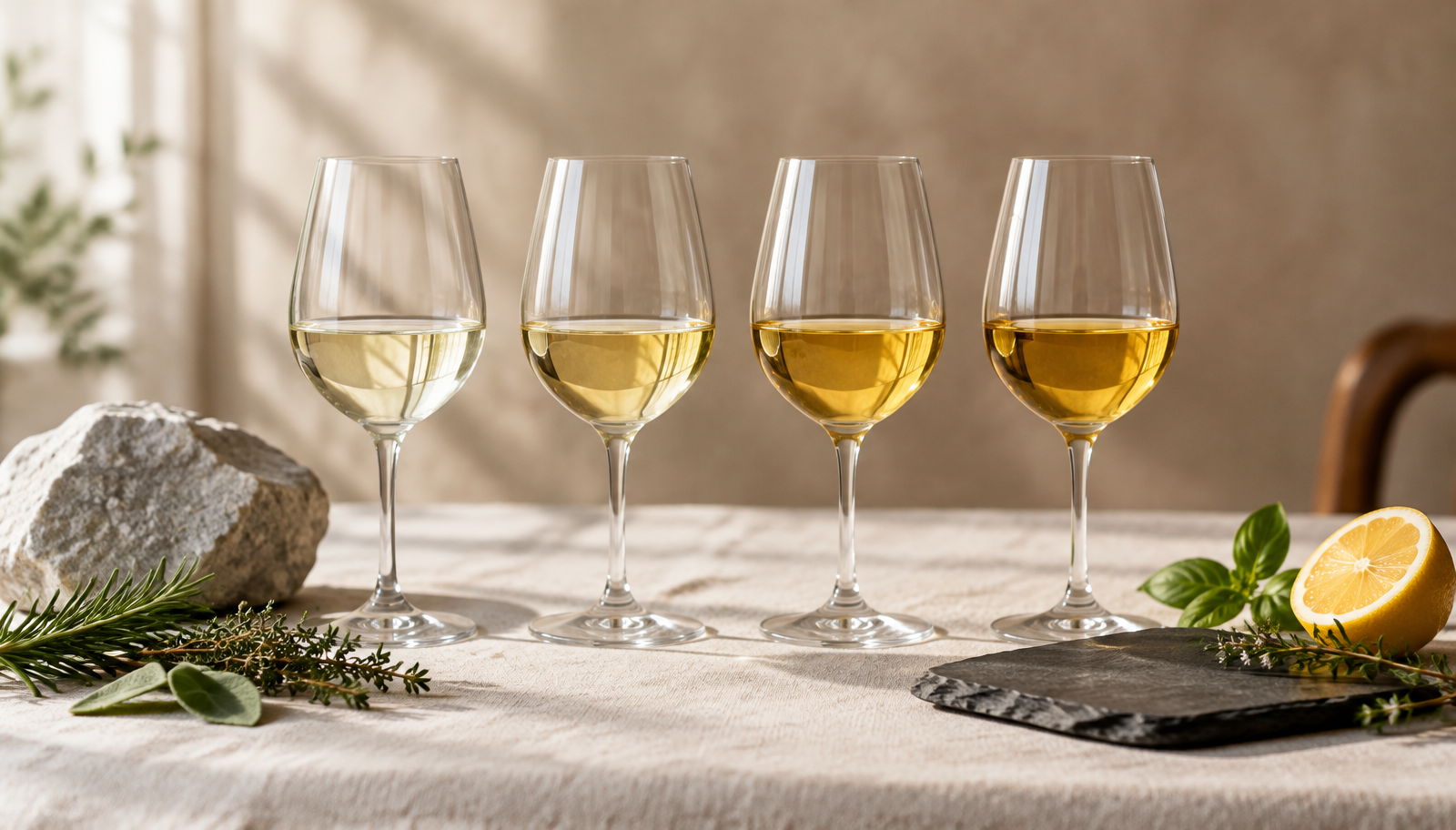
Four glasses stand on the table, and none of them is red. The first glows pale with tiny bubbles, the second is soft gold, the third green-tinged straw and the fourth light as apple tea. Yet the same question applies to all four: where does the freshness come from?
The point of this tasting is to discover that freshness is not one thing. Acidity makes your mouth water and gives the wine its backbone. Carbon dioxide in the bubbles adds its own prickly freshness on top of the acid. Residual sugar – the sugar left in the wine – can soften the impression of acidity and make a wine feel mellow despite high acid. And aromas of herbs and citrus can give a fresh impression before the taste even arrives.
Set out the glasses and your senses
Taste four to six people together, if you can. Pour about 4 cl of each wine per person into four identical glasses and keep them all cold, around 10 degrees; the Mosel wine can stay in the fridge a little longer. Have water, neutral bread and spit glasses on the table. Food only after the first comparison.
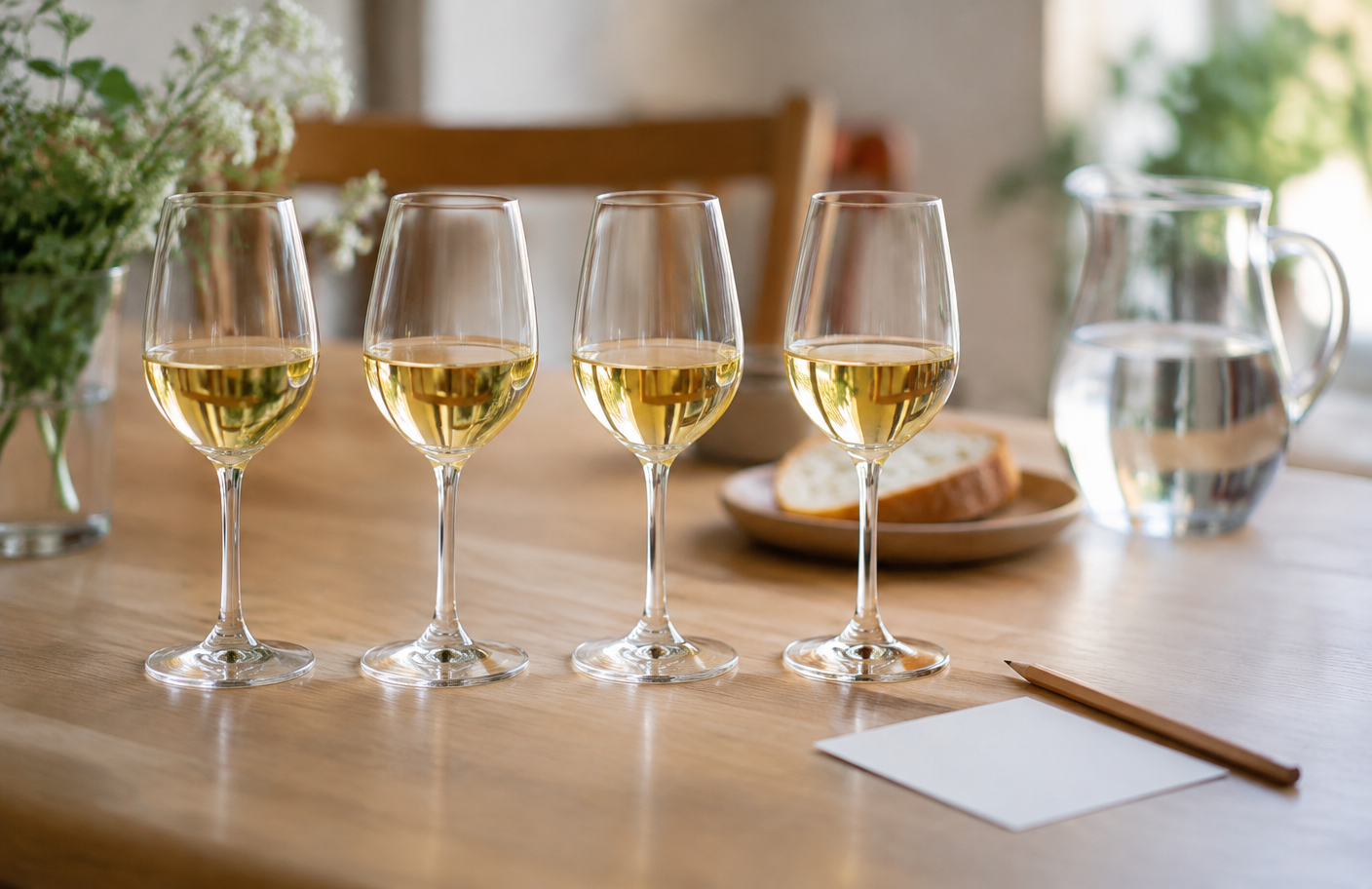
Open the bottles just before the tasting. For each wine, note: where in the mouth the freshness sits – at the front, on the sides or at the back – how long it lasts, and whether the wine feels dry or mellow. Give each wine one fruit word and one word for its mouthfeel.
The prices below are approximate purchase budgets in dollars, not verified daily prices. Check price and vintage at Systembolaget; these exact vintages may have been replaced or sold out.
Four wines in tasting order
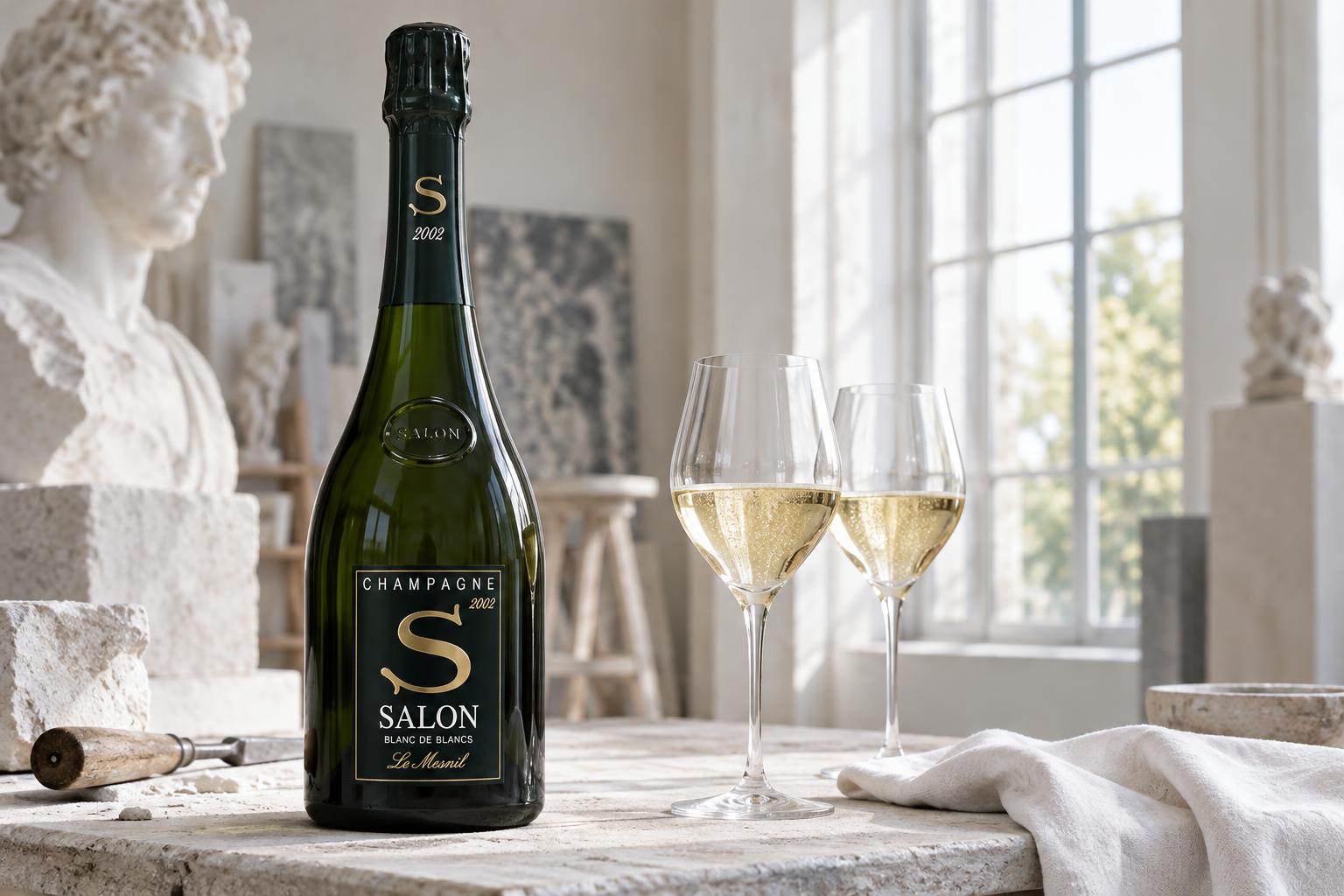
1. Pol Roger Brut Vintage 2015 – Champagne, France
Grapes: 60 per cent pinot noir and 40 per cent chardonnay. Budget: about $90–110. Start with Pol Roger Brut Vintage 2015 – sun-ripe champagne with cellar depth. Champagne is the only wine here where the freshness comes from above: the carbon dioxide pricks the palate and lifts the aromas. Look for apple, lemon peel and brioche from the ageing on lees. The bubbles can hide how high the acidity really is – feel for it once the foam has settled.
2. William Fèvre Montmains 2022 – Chablis, Burgundy, France
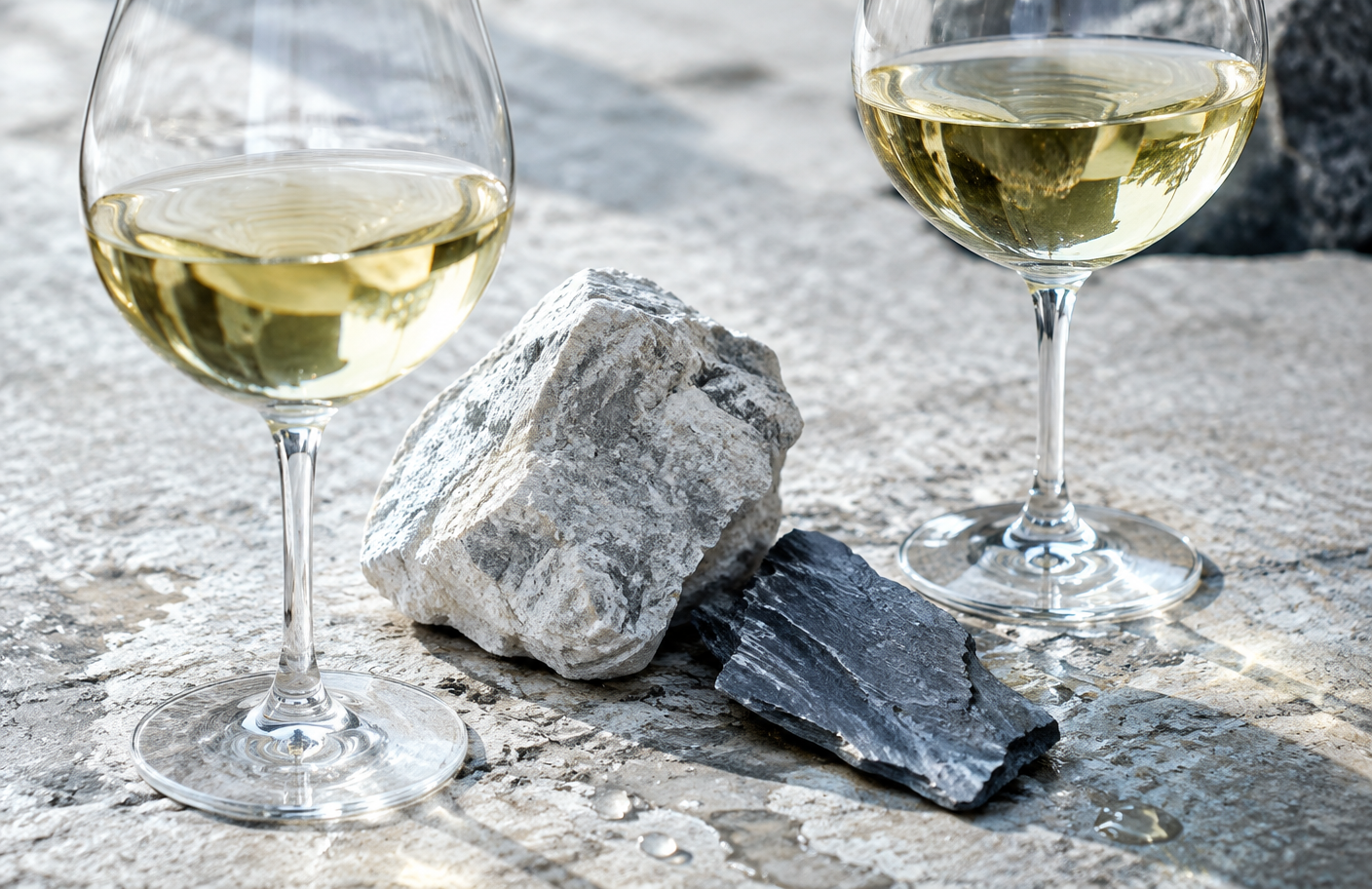
Grape: chardonnay. Budget: about $60–70. Continue with William Fèvre Montmains 2022 – Chablis with both sharpness and roundness. Here there is no residual sugar and no new oak barrels to hide behind. Look for lemon, apple and the flinty note Chablis is known for. The freshness sits broadly and lasts a long time. Is this wine tighter than the champagne, or just different?
3. Cloudy Bay 2024 – Marlborough, New Zealand
Grape: sauvignon blanc. Budget: about $30–35. Cloudy Bay 2024 – Marlborough with sharpness and depth moves the tasting to sun-drenched valleys. The nose is the clearest in the series: gooseberry, grapefruit and freshly cut grass. The aromas make the wine taste fresh already in the glass, but check whether the flavour is as edgy as the nose – or rather round and full.
4. Dr. Loosen Wehlener Sonnenuhr 2022 – Mosel, Germany
Grape: riesling. Budget: about $23–28. Finish with Lightness with depth from the Mosel sundial. The wine has a touch of residual sugar and low alcohol, yet does not taste sweet: the acid keeps the sugar in check. Look for green apple, peach, honey and a salty, slate-like note. Compare with the Chablis – which wine feels sweetest, and which has the highest acidity?
Let the food do the other half
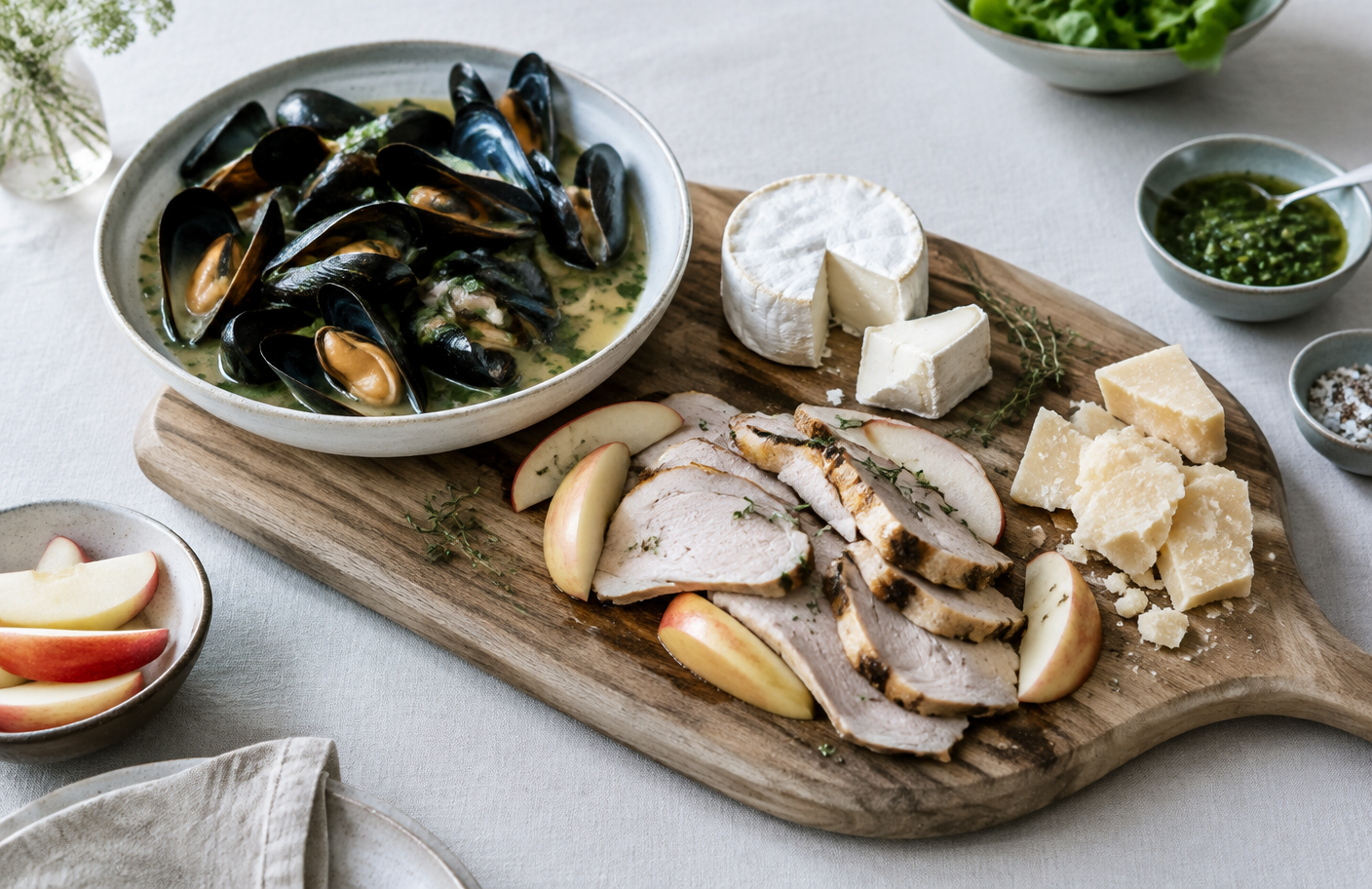
Serve mussels in wine broth, goat's cheese on toasted bread, pork loin with apple and pieces of aged hard cheese. Taste each wine again: the fat and salt in the food can make the wines feel drier and softer, while the Mosel wine's residual sugar suits a dish with a little heat. Avoid very sweet sauces and lots of chilli, which disturb the comparison.
Choose an alcohol-free white wine with low sweetness for anyone abstaining, and let the same questions guide the tasting. Reseal the leftovers, keep them cool and compare again the next day – the Chablis and the Mosel wine in particular can open up.
What goes with the glass
- FoodMussels in wine brothThe salt of the shellfish and the butter in the bread lift the wines' acidity – especially the Chablis and the Marlborough.
- FoodGoat's cheese on toasted breadThe cheese's acidity and fat meet the wines' freshness without covering the minerality.
- FoodPork loin with appleThe apple's sweetness and the fat of the meat suit the riesling's residual sugar and make the wine softer in the mouth.
- FoodAged hard cheeseSalt, protein and fat contrast the acidity and can make the champagne and Chablis feel rounder.
Sources
- Pol Roger, Champagne Pol Roger
- Domaine William Fèvre, Chablis Premier Cru Montmains
- Cloudy Bay, Cloudy Bay Sauvignon Blanc
- Weingut Dr. Loosen, Wehlener Sonnenuhr Riesling
- Julia Harding, Jancis Robinson och Tara Q. Thomas, red., The Oxford Companion to Wine (2023)
Ask questions about "Four White Wines, Four Sources of Freshness". Answers are based on the magazine's own articles.