Château Cantemerle 2019 – Médoc with Dark Fruit and a Light Touch
Classified Bordeaux where cabernet sauvignon speaks with both power and finesse.
Château Cantemerle 2019, from the estate of the same name, combines Haut-Médoc’s gravelly origins with a vintage that delivered ripe fruit and excellent potential for balance. This is a Bordeaux for those seeking blackcurrant, cedar and fine tannic structure rather than sheer weight—and who enjoy following a bottle through an entire dinner.
Drinking window: 2028–2042 · Peak: 2030–2038
- Producer
- Château Cantemerle
- Wine
- Château Cantemerle, Haut-Médoc, Grand Cru Classé
- Vintage
- 2019
- Type
- Torrt rött vin
- Origin
- Bordeaux, Haut-Médoc, Frankrike
- Grapes
- Cabernet sauvignon, Merlot, Cabernet franc, Petit verdot
- Serve at
- 16–18 °C
- Air
- Aerate for around 1–2 hours after an initial taste; adjust according to the bottle’s stage of development.
Translated from Swedish with AI assistance. Prices converted at 10 SEK = 1 USD.
A classified wine without grand gestures
Some Bordeaux wines make their first impression through sheer volume. Château Cantemerle more often belongs to those that command attention through proportion: fruit, freshness, oak and tannin should work together rather than compete. In the 2019 vintage, this approach meets a generous year that was not all about power. For anyone who enjoys cabernet sauvignon’s dark berries and aromatic precision, it is an intriguing combination, especially when the wine is given both air and time at the table.
Cantemerle is a fifth growth, the fifth tier in Médoc’s famous 1855 classification. This confers historical status, not an automatic guarantee of a particular quality level in every new vintage. The classification was based largely on reputation and trading prices at the time. The château’s place on the list is unusual: Cantemerle was added later in 1855, after the original list had been drawn up. Calling it a late addition is therefore correct; presenting it as a modern promotion would be misleading.
The 2019 vintage also offers a good opportunity to understand the difference between prestige and the actual pleasure of drinking wine. Here is genuine classified pedigree without the prices commanded by the most hyped château names. Expect a market price of around $40 as a guide, but check both the vintage and the current price. No verified Swedish stock availability or current Systembolaget listing is provided here.
The gravel of southern Haut-Médoc
Château Cantemerle lies around Macau and Ludon-Médoc, in the southern part of Haut-Médoc on Bordeaux’s Left Bank. This is farther south than several of Médoc’s most celebrated communal appellations. The landscape is low and gently rolling rather than dramatic, yet small differences in elevation and the permeability of the soils matter greatly. Cabernet sauvignon needs enough time to ripen, while its roots do not thrive in persistently waterlogged soil.
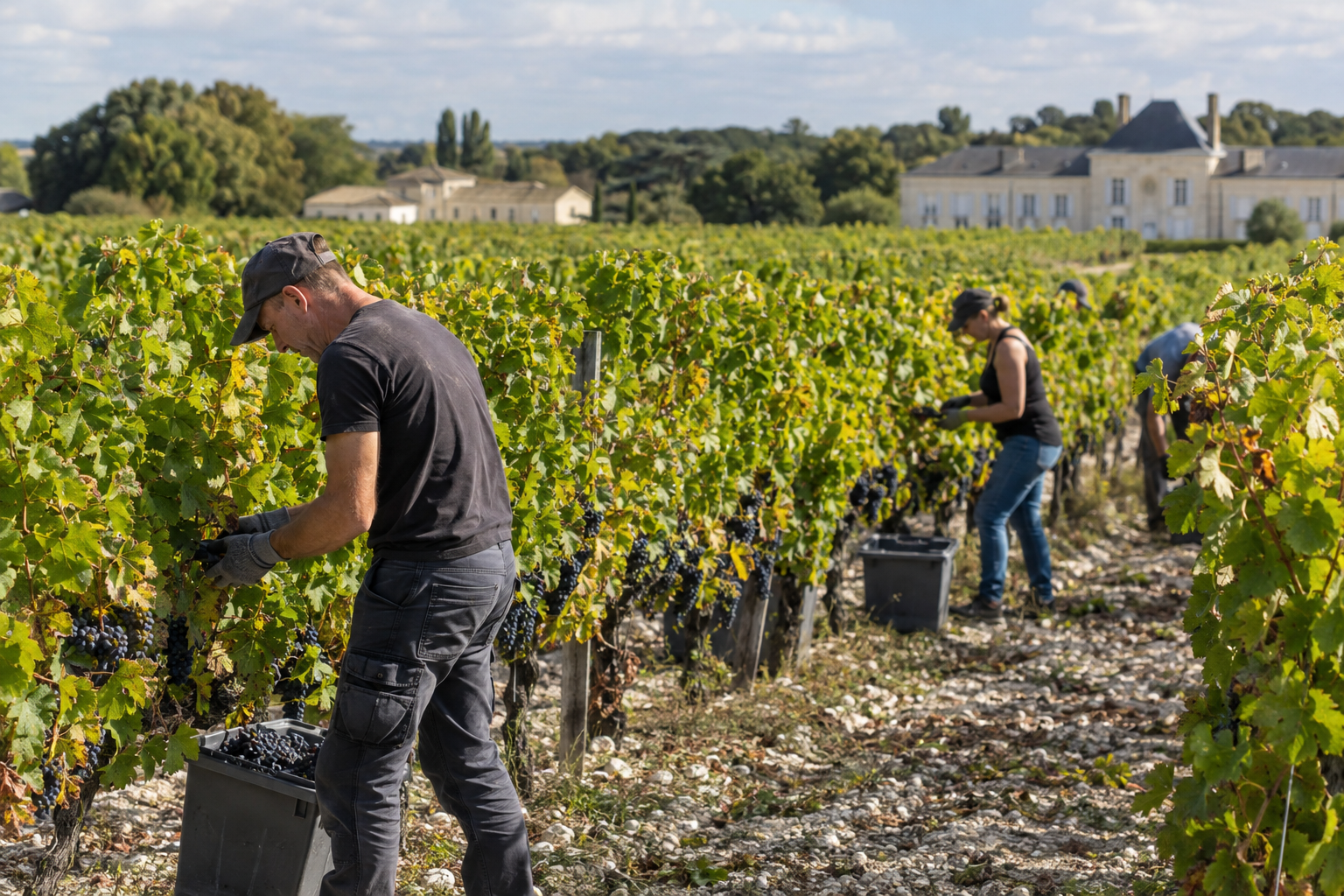
The estate’s vineyards are associated above all with gravel and sandy gravel soils. Gravel helps rainwater drain away and can contribute to a warm microclimate close to the ground. But there is no simple equation in which more stones always mean better wine. The depth of the soil layers, access to water farther down and the weather during the growing season determine how the vine performs. In a dry year, the ability to reach water can be just as important as drainage is in a wet one.
The climate is Atlantic, with the ocean’s moderating influence, rainfall and marked variation between vintages. The proximity of the Gironde estuary system is part of Médoc’s climatic picture, but it does not protect every site from every weather risk. Spring frost, damp conditions and drought remain real concerns for growers. It is precisely this interplay of warmth, water and harvest timing that makes the region more interesting than the simplistic notion of Bordeaux as either cool and austere or warm and heavy.
It is sometimes said that the gravel can be tasted as minerality. This is poetic shorthand, not a literal explanation. The soil’s clearest influence comes through the grapes’ growing conditions and ripening, not through small stones somehow transferring a ready-made flavour into the glass.
History and work in the cellar
Cantemerle’s history stretches back to the Middle Ages, though an estate’s long history is not the same as uninterrupted production of the wine we know today. The Villeneuve family shaped the château over several centuries. In 1981, the estate was purchased by the French insurance group SMABTP, followed by investment in the vineyards and facilities. The long view matters: replanting and improvements in viticulture do not deliver their full benefits in a single season.
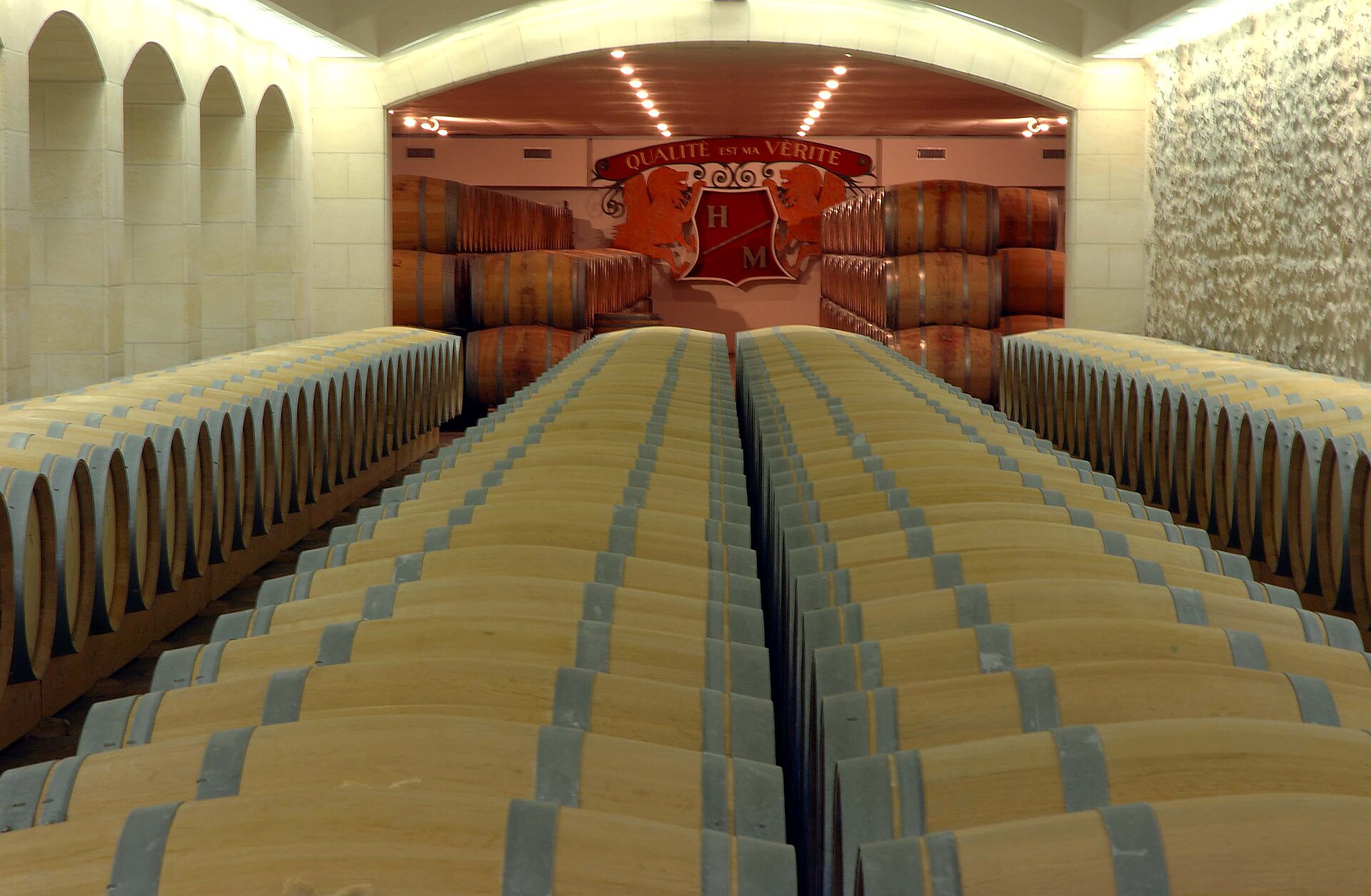
The style is often described as elegant for Médoc, but elegance should not be confused with thinness. Rather, it is about fruit supported by a distinct yet proportionate structure. Cabernet sauvignon provides the backbone, merlot brings breadth and softer fruit, while cabernet franc and petit verdot can contribute aromatic nuance and colour and firmness respectively. Blending is a tool for balance, not a contest to achieve the highest possible proportion of cabernet.
The blend for 2019 is given as 68 per cent cabernet sauvignon, 23 per cent merlot, 5 per cent cabernet franc and 4 per cent petit verdot. This is clearly a cabernet-led wine. Even so, the percentages do not tell the whole story of its flavour: grape ripeness, the vineyard parcels selected and the handling of the skins during fermentation have at least as much influence.
The estate describes a process involving sorting, fermentation in temperature-controlled vessels and subsequent ageing in French oak barrels. Skin contact during and after fermentation supplies colour and tannins, the compounds responsible for astringency. Temperature and extraction need to be managed to achieve structure without coarseness. Cantemerle’s reported practices include roughly a year of barrel ageing, with around 40 per cent new oak; this should be read as the producer’s description of its methods, not as a fully verified cellar log for every lot of 2019.
The 2019 vintage: ripe fruit with a counterweight
Bordeaux 2019 is widely regarded as one of the region’s strong modern vintages. A more changeable start to the growing season was followed by a warm, dry summer, with spells of intense heat. Rain at key moments in late summer and during harvest helped the vines along in many areas. The results were not uniform: the soils’ water-holding capacity, grape variety and harvest timing all played a major role.
For Médoc, the vintage’s appeal lies in its combination of ripe grapes, concentration and often good freshness. That last quality matters. Heat can deliver rich fruit, but an ageworthy red also needs something to sustain the palate and keep the finish lively. Acidity and tannins play different roles here: acidity brings mouthwatering energy, while tannins provide grip and a kind of framework around the fruit.
At the same time, the region’s fine reputation should not replace an assessment of an individual bottle. Storage, transport and cork variation all affect the experience. A well-kept Cantemerle 2019 has every chance of showing both the vintage’s generosity and the château’s more restrained expression, but that is no guarantee that every bottle will be equally open at the same age.
The Wine’s overall assessment is 93 out of 100. This is an editorial estimate based on the producer’s established standing and the vintage’s reputation, not the result of a documented blind tasting of our own or an average of verified critics’ scores.
In the glass: blackcurrant, cedar and fine-grained grip
The flavour profile that follows is a cautious description of style, not a tasting note from a freshly opened bottle. For Cantemerle 2019, blackcurrant, dark cherry and plum are reasonable reference points, complemented by cedar, tobacco leaf and subtle toasted notes. The cabernet fruit should bring definition rather than jamminess. As the wine opens up, a more floral or herbal thread may also emerge.
On the palate, the appeal lies in the meeting of ripe fruit and dry structure. Tannins can be pronounced even when fine-grained: think of a gentle grip along the gums, rather than necessarily a harsh or bitter sensation. Acidity carries the fruit through the mid-palate and prevents the oak notes from weighing the wine down. Expect medium to full body, but with more emphasis on line than on sheer volume.
It is a good sign if the finish continues with berries, spice and freshness once the initial impression of fruit sweetness has faded. Fruit sweetness here means the sensation of ripe fruit, not that the wine itself is sweet. If oak or closed, firm tannins dominate the glass at first, it is wise to wait. Air can allow the fruit to emerge, although an hour in a decanter can never replace several years of ageing.
With further cellaring, the primary fruit may gradually be joined by more tobacco, forest floor and leather. Development does not follow an exact calendar. For anyone with several bottles, comparing them over time is a large part of the pleasure.
Serve cool and give it room
Serve at 16–18 °C in a generous, tulip-shaped Bordeaux glass. Start towards the cooler end of the range; the wine will warm up in the glass. Too high a temperature can accentuate the sensation of alcohol and blur the aromas. A large glass helps gather the aromas, but need not be filled beyond its widest point.
Open in advance if possible and taste before deciding how much air it needs. For a well-kept but still youthful bottle, roughly one to two hours in a decanter is a reasonable starting point. If the wine is already expressive, less time will suffice. If there is sediment, pour slowly and leave the deposit behind. Aerating to open up the aromas and decanting to separate out sediment are closely related but distinct tasks.
The wine can be enjoyed now with air and food, but further cellaring is worthwhile. Roughly 2028–2038 is a reasonable guide for a more developed character, with the potential for a longer life under stable, cool, dark storage conditions. This is an estimate, not a promise of a fixed peak.
At the table, classic, straightforward flavours are all it needs: roast lamb with rosemary and potato gratin, or roast moose with mushroom sauce. Protein and a little fat soften the tannic grip, while the mushrooms’ earthy aromas meet the wine’s developed notes. Keep sweet accompaniments restrained. An unsweetened alcohol-free drink with blackcurrant character can offer a berry-fruited parallel at the same table.
Tasting notes
- Blackcurrant and dark cherry
- Cedar and subtle oak notes
- Fresh acidity
- Fine-grained, pronounced tannins
- Tobacco notes with age
Score 93/100. The Wine’s editorial estimate, based on the producer’s established reputation for quality and the strong standing of the 2019 Bordeaux vintage. The score is not based on a documented tasting of our own or a verified compilation of critics’ scores.
16–18 °C · Aerate for around 1–2 hours after an initial taste; adjust according to the bottle’s stage of development. · Generous, tulip-shaped Bordeaux glass. Indicative market price, approximately $40. Current price, Swedish availability and the vintage listed at Systembolaget have not been verified.
- Roast lamb with rosemary and potato gratinThe lamb’s protein and the gratin’s fat soften the tannic grip, while rosemary complements the wine’s herbal and cedar nuances.
- Roast moose with mushroom sauce ↗The richly flavoured meat and earthy mushroom aromas suit the wine’s dark fruit and emerging notes of maturity. Avoid overly sweet accompaniments. Recipe at Mat & Dryck.
Sources
- Château Cantemerle, Château Cantemerle – producentens information om egendomen, vinerna och historien
- Conseil des Grands Crus Classés en 1855, Conseil des Grands Crus Classés en 1855 – klassificeringen och slotten
- Conseil Interprofessionnel du Vin de Bordeaux, Bordeaux Wines – appellationer, druvor och odlingsförhållanden
- Union des Grands Crus de Bordeaux, Union des Grands Crus de Bordeaux – egendomar och årgångsinformation
Ask questions about "Château Cantemerle 2019 – Médoc with Dark Fruit and a Light Touch". Answers are based on the magazine's own articles.