Catena Malbec 2022 – dark fruit with Andean freshness
High-altitude sites, old vines and focused research behind an approachable Mendoza Malbec.
Catena Malbec 2022 from Catena Zapata shows why Mendoza has become Malbec’s second home. Dark plum fruit and violet meet a fresher, more nuanced side of the grape, underpinned by the producer’s long-standing work on altitude, vine material and vineyard sites.
Drinking window: 2024–2029 · Peak: 2025–2027, style-based estimate with proper storage
- Producer
- Catena Zapata
- Wine
- Catena Malbec
- Vintage
- 2022
- Type
- Red wine
- Origin
- Mendoza, Argentina
- Grapes
- Malbec
- Serve at
- 16–18 °C
- Air
- Allow around 30 minutes of aeration and follow its development in the glass.
Translated from Swedish with AI assistance. Prices converted at 10 SEK = 1 USD.
Altitude gives Malbec a different expression
Malbec can be both generously fruity and surprisingly vibrant. Catena Malbec 2022 sits at that intersection: a Mendoza red intended to bring dark fruit together with freshness and clear structure. It is important to distinguish this bottling from Catena Alta and the family’s considerably more expensive single-vineyard wines. The standard Catena Malbec is a cuvée in its own right, designed to combine the qualities of several sites rather than express a single vineyard.
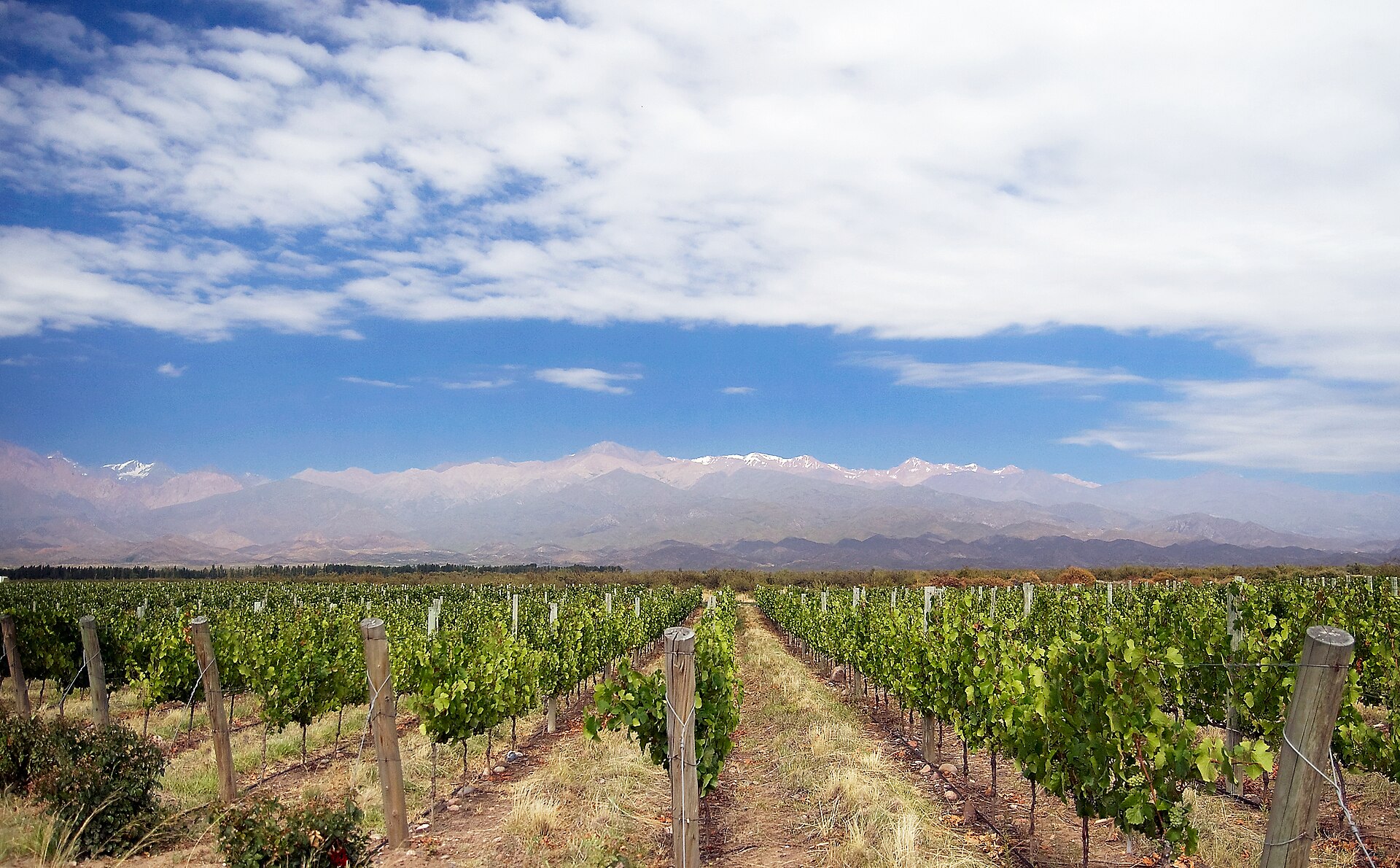
Mendoza lies in western Argentina, in the rain shadow of the Andes. The climate is dry and sunny, and winegrowing depends on irrigation, historically supplied by mountain meltwater. The soils are largely made up of material carried down by water: stones, gravel, sand and finer sediments in varying layers. Rather than a single type of “mountain soil” explaining the wines, there is considerable variation both between and within growing areas.
Catena’s Malbec programme encompasses sites around Luján de Cuyo as well as higher vineyards in the Uco Valley. The producer describes Catena Malbec as a blend from high-altitude family vineyards; the exact proportions for 2022 are not given here because they have not been reliably verified. Altitude generally brings cooler conditions, particularly at night, while sunlight remains intense. This creates the conditions for ripe fruit with retained acidity, but harvest timing, irrigation and canopy management are at least as important.
The family that began to question the map
The family’s wine history in Argentina began in 1902, when Italian immigrant Nicola Catena planted his first vineyard in Mendoza. The major shift towards internationally recognised quality, however, is associated with Nicolás Catena Zapata, who explored new methods and increasingly high vineyard sites during the 1980s and 1990s. His work helped shift the image of Argentine wine away from volume production towards wines with a clearer sense of origin and greater ambition.
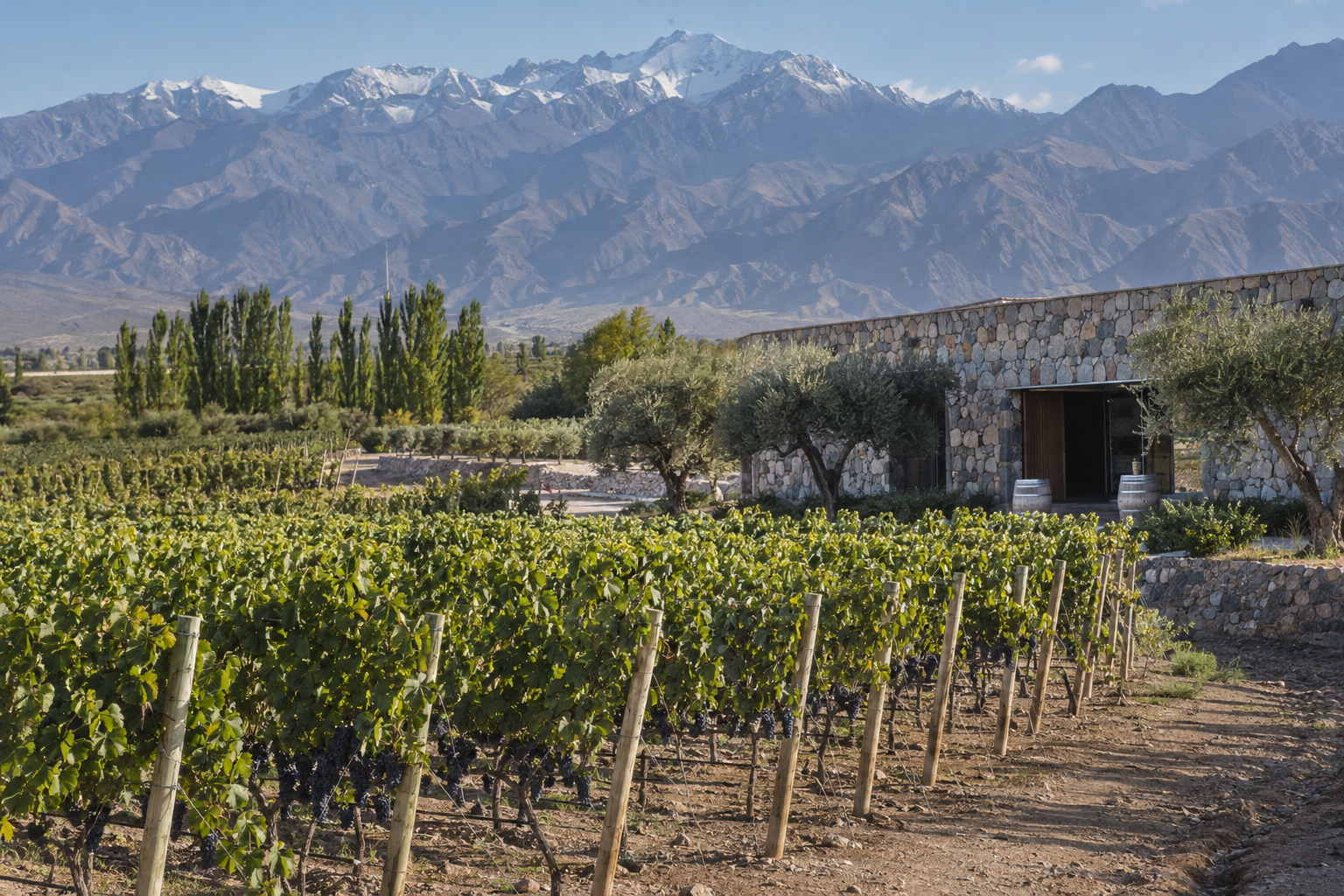
His daughter Laura Catena has continued this work with an explicitly scientific focus. The Catena Institute of Wine was founded in 1995 and studies subjects including high-altitude viticulture, soils and Malbec’s genetic diversity. This is where the term clone becomes useful: in viticulture, it means a vegetatively propagated line from a selected vine, with characteristics that may differ from those of other lines.
Catena’s work is not simply about finding one “best” Malbec. Selections from older vineyards and studies of different vine material also aim to preserve diversity and show how the vines perform in different locations. Massal selection, in which material is taken from several selected vines, is therefore different from planting a single clone everywhere.
For Catena Malbec, this is relevant as a producer philosophy, not as proof that the bottle contains a particular named clone. The reasonable conclusion is more down to earth: the family has built up knowledge of which combinations of vine material, site and cultivation deliver both fruit ripeness and balance.
The vintage and the work in the cellar
Regional vintage reports describe 2022 as a relatively cool year in Mendoza, with frost events affecting parts of the crop. There was considerable variation, and a regional assessment does not tell us exactly how each vineyard fared. For well-managed sites, the season offered good opportunities to make fresh, balanced reds rather than wines defined solely by maximum power.
The wine is made from Malbec. The producer’s descriptions of the Catena range emphasise temperature-controlled fermentation and skin contact to extract colour, aromas and tannins. Tannins are the compounds that give the dry, slightly astringent sensation against the gums. How gently they are extracted from the skins plays a major role in whether the result feels supple or angular.
Oak ageing also plays a part in shaping the wine. French barrels are central to the producer’s description of this Malbec, but the exact proportion aged in barrel, the percentage of new oak and the ageing period for 2022 are left unspecified here. Barrels contribute more than spice: slow exposure to small amounts of oxygen also helps the wine’s structure develop. The aim is to frame the fruit, not make oak the main attraction.
In the glass and at the table
In terms of style, expect black plums, dark cherries and violet, with subtle notes of cocoa and spice. This is a stylistic assessment, not a documented tasting of a bottle by us. Malbec’s full mid-palate should meet fresh acidity and ripe, noticeable tannins here. The finish is expected to be good for the price range, with fruit and spice rather than heavy, sweet-toned oak.
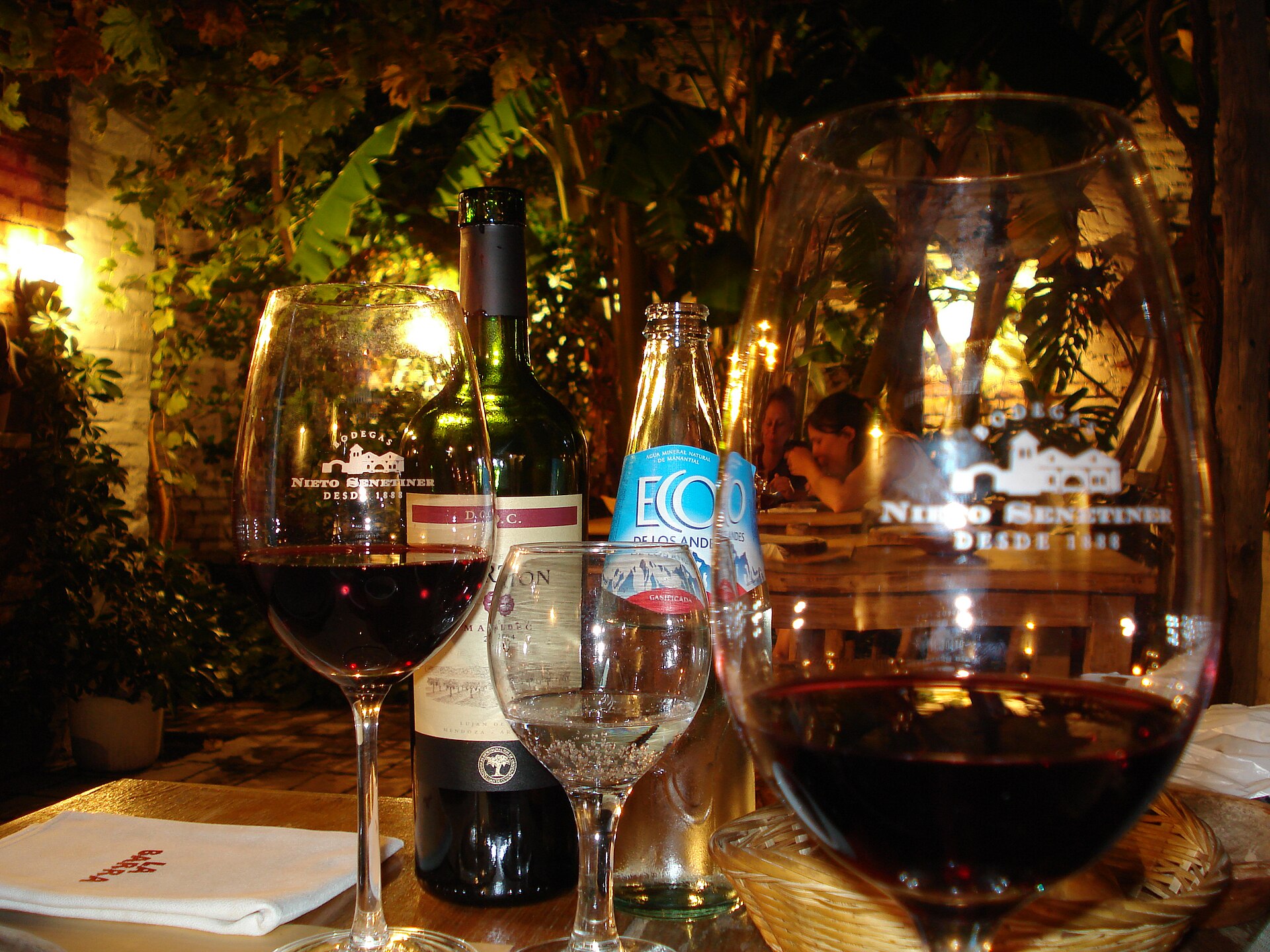
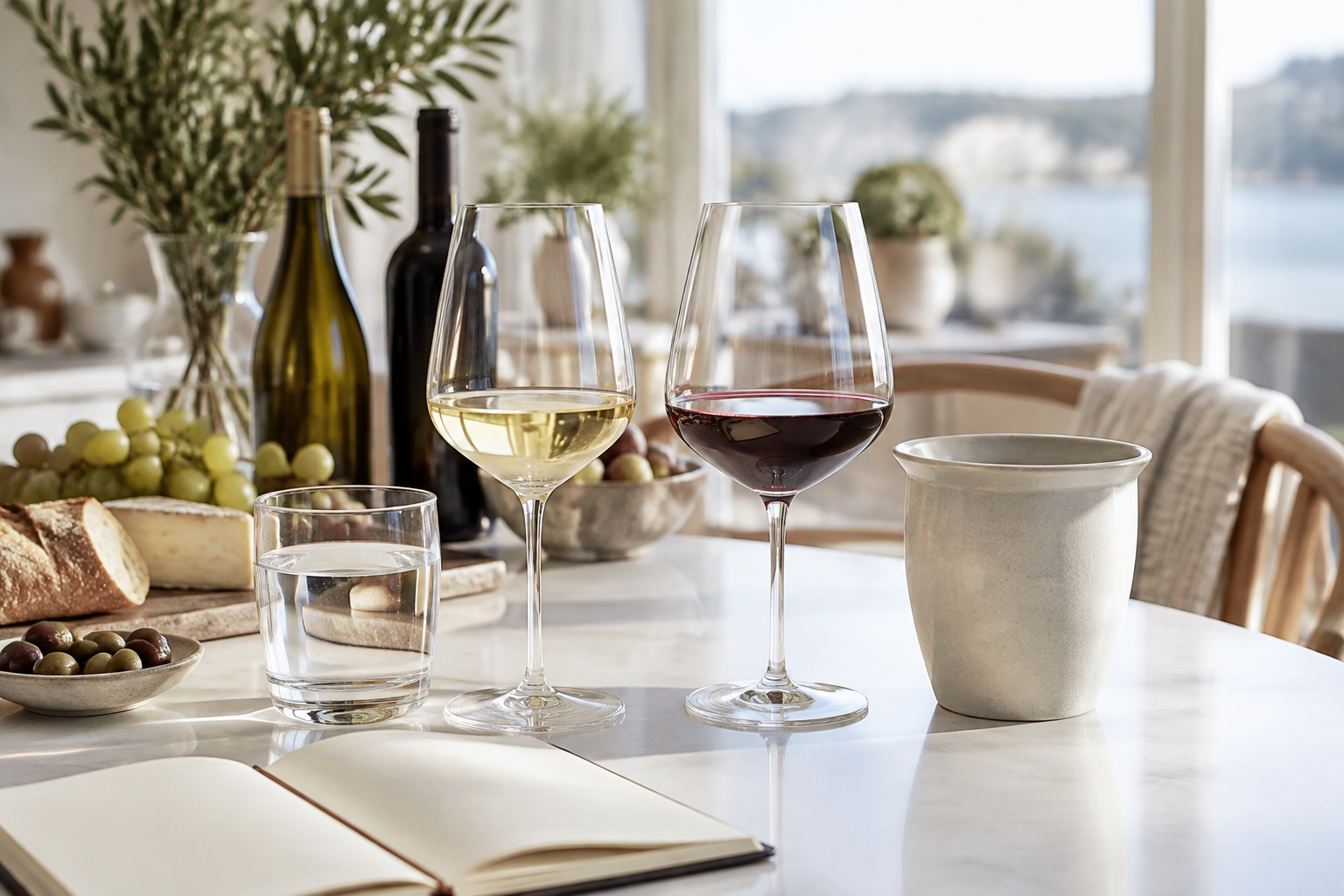
Serve at 16–18 °C in a generous red-wine glass. Around half an hour of aeration is a good starting point; try tasting before and after. Serving it too warm can blur the fruit and make the alcohol more noticeable, while fridge-cold wine can easily seem firmer than it really is.
This is primarily a wine to drink now and over the next few years. A cautious, style-based drinking window is 2024–2029, with a likely sweet spot of 2025–2027 if well stored. Expect an approximate price of around $16, rather than a verified current Systembolaget price. Check the vintage when buying, too.
Lamb with rosemary or oven-roasted aubergine with lentils makes a fine match: browned flavours meet the fruit, while the food softens the tannins. For those avoiding alcohol, an unsweetened, alcohol-free berry drink with fresh acidity works at the same table.
Tasting notes
- Dark plums
- Dark cherries
- Violet
- Subtle oak spice
- Fresh acidity
- Ripe tannins
Score 90/100. Preliminary editorial assessment based on the reputation of the producer and vintage, not on a documented tasting by us. Verified critic scores for this specific Catena Malbec 2022 are not available here; 90/100 should not be read as a quoted critic’s rating.
16–18 °C · Allow around 30 minutes of aeration and follow its development in the glass. · Generous tulip-shaped red-wine glass. Approximate market price converted to US dollars; the current Systembolaget price and available vintage have not been verified.
- Lamb with rosemary and roasted root vegetablesThe lamb’s protein and richness soften the tannins; its browned crust complements the wine’s dark fruit and spice.
- Oven-roasted aubergine with lentils and herbsRoasting adds depth that suits the fruit, while the lentils give the dish enough substance to stand up to the wine.
Sources
- Catena Zapata, Catena Zapata – producentens historia, vingårdar och viner
- Catena Institute of Wine, Catena Institute of Wine – forskning om malbec och höghöjdsodling
- Wines of Argentina, Wines of Argentina – vinregioner och årgångsrapporter
Ask questions about "Catena Malbec 2022 – dark fruit with Andean freshness". Answers are based on the magazine's own articles.